How Kruger worksand how to go without a tour
Three airports, a fee for every day, rest camps that are mini-towns, game drives run by the park and private rangers. Everything we got confused about, in order.
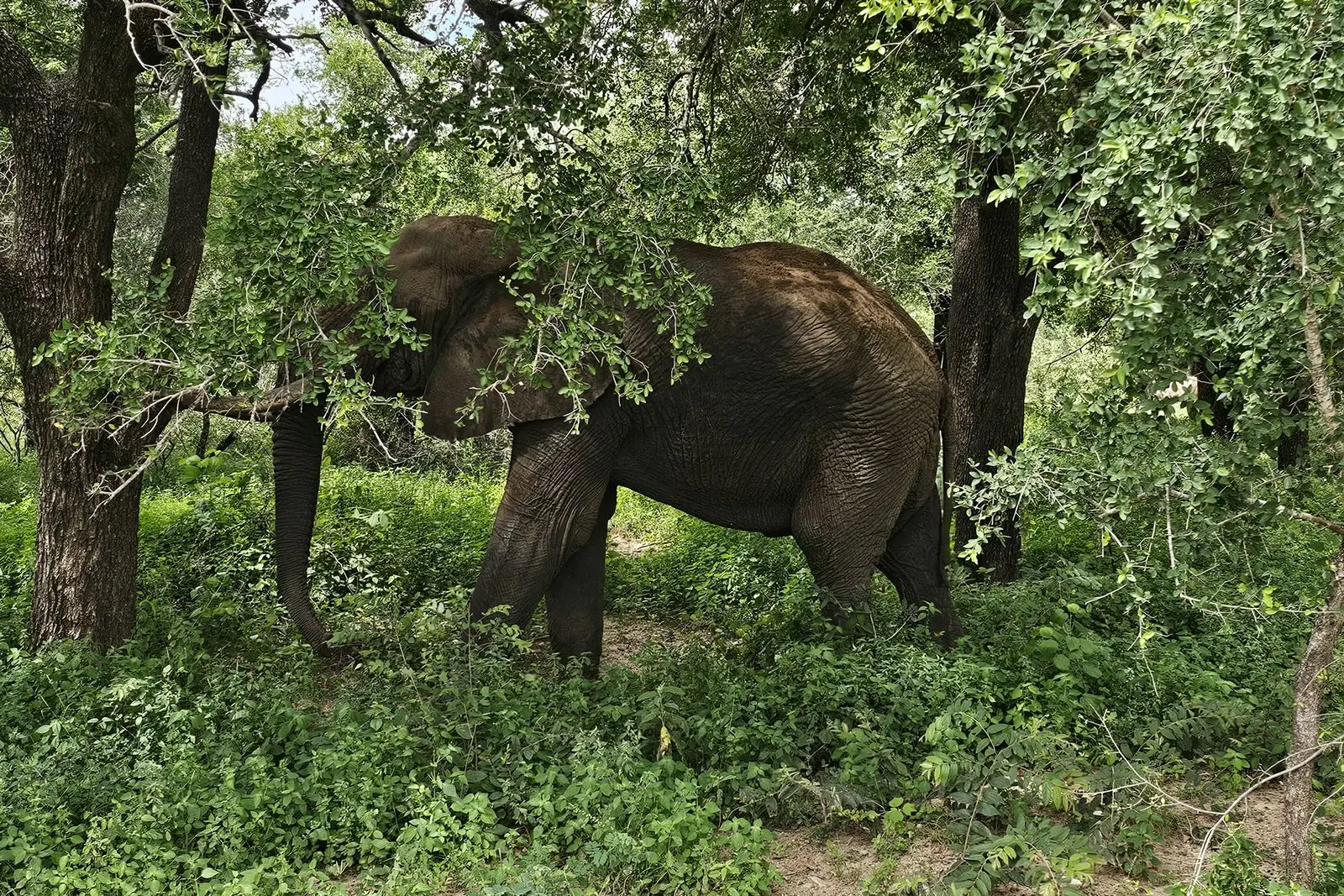
Kruger National Park is one of the best-known safari parks in Africa, in the north-east of South Africa. We were there for three days at the end of January 2026, and at first we had no idea how to approach it: several airports, no clue which side to enter from and where to stay, and sky-high prices on the very first search. Here I’ve collected how it all works. The days in the park themselves are in the safari chapter.
A tour or on your own
First we looked for ready-made tours, and they were all very expensive. The cheapest three-day one we found cost the equivalent of $760 per person. For that money you get a big, beautiful tent with a fan, but not in Kruger itself, in a private reserve next to it. There you can drive as much as you like and go on walks. All-inclusive tours cost even more.
So we put everything together ourselves and picked something in between: accommodation in a camp inside the park and outings with a ranger.
Getting there
Mostly by plane. We flew from Cape Town to Kruger Mpumalanga International Airport, and the logistics turned out to be somewhat complicated.
Many people get to Kruger from Johannesburg, lots of transfers run from there. We didn’t, because not everyone wanted to go to Johannesburg. But that’s the option I’d recommend: fly into Johannesburg for literally a day, go from there to Kruger, and then fly to Cape Town.
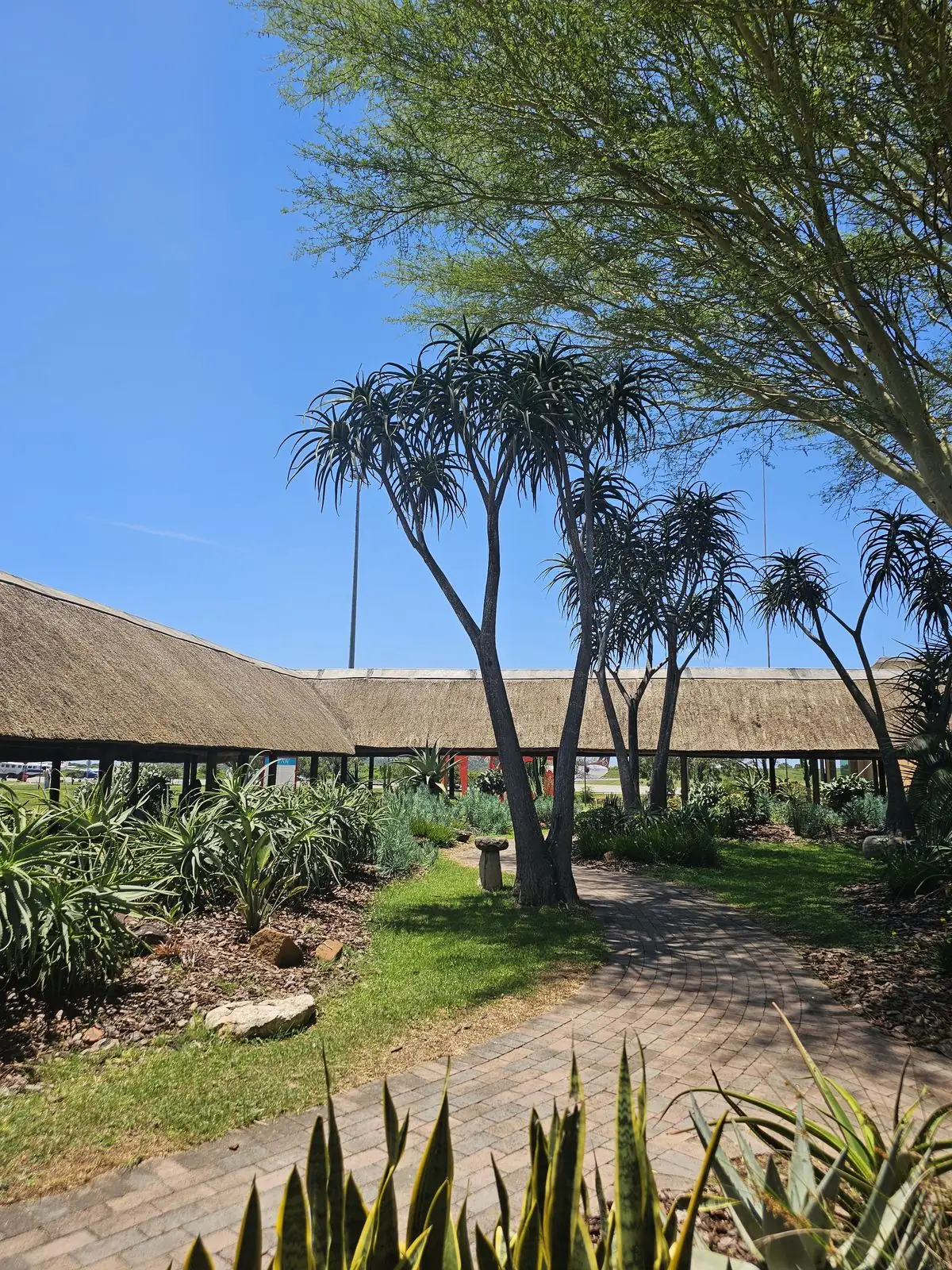
Transfers and a car
A transfer took us from the airport to the camp. Transfers here are all expensive: ours cost 2,500 rand per group one way, about $155. I asked everyone I could. Nobody drove from our airport for less.
And my personal blunder: I thought our transfer was round trip, but it turned out to be one way. Check. Solomon, our ranger, took us back to the airport, for 2,000 rand.
We’d planned to rent a car only for the Garden Route. But honestly, we should have rented one here too: it would have come out much cheaper.
The entry fee
At the park entrance you pay a fee for each day in the park. You show your booking and everything is checked: the record-keeping is strict. For foreigners in the 2025/26 season the fee was 602 rand per adult per day (≈ $38): for our three days that came to about $110 per person.
In January 2026 there was a serious flood in Kruger and some gates and camps were closed. Our camp and the places we drove through weren’t affected, but check the news on the SANParks website before you go.
The park gates open and close on a schedule that changes with the seasons: in January, for example, the entrance gates closed at 6:30 p.m.. The schedule is on the SANParks website.
Where to stay: the camps
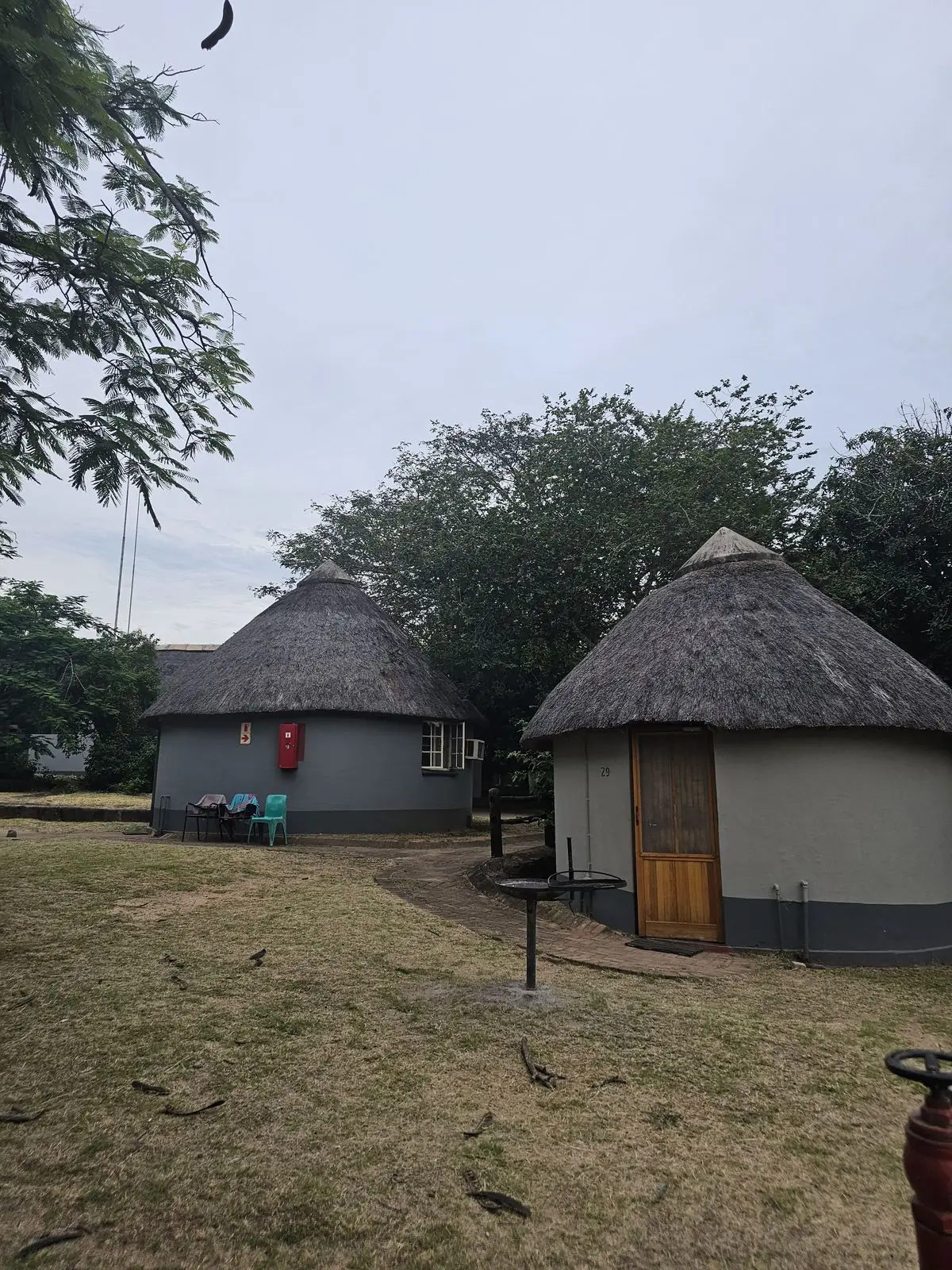
Inside the park there are rest camps. You can pitch a tent in them or stay in a cabin: we stayed in a cabin at Pretoriuskop camp. They’re like mini-towns: a restaurant, a shop, souvenirs. Ours had a Wimpy café on site. Some will like that, some won’t.
There are luxury options too. For example, around Skukuza camp in the centre of the park there are big expensive hotels, and lots of transfers run from there. But it’s pricey. Then again, a lot of things in Kruger are pricey.
We chose the middle option: a three-bed cabin with a shared toilet and shower. Two nights cost 2,266 rand for the three of us (≈ $142).
Safari: three ways
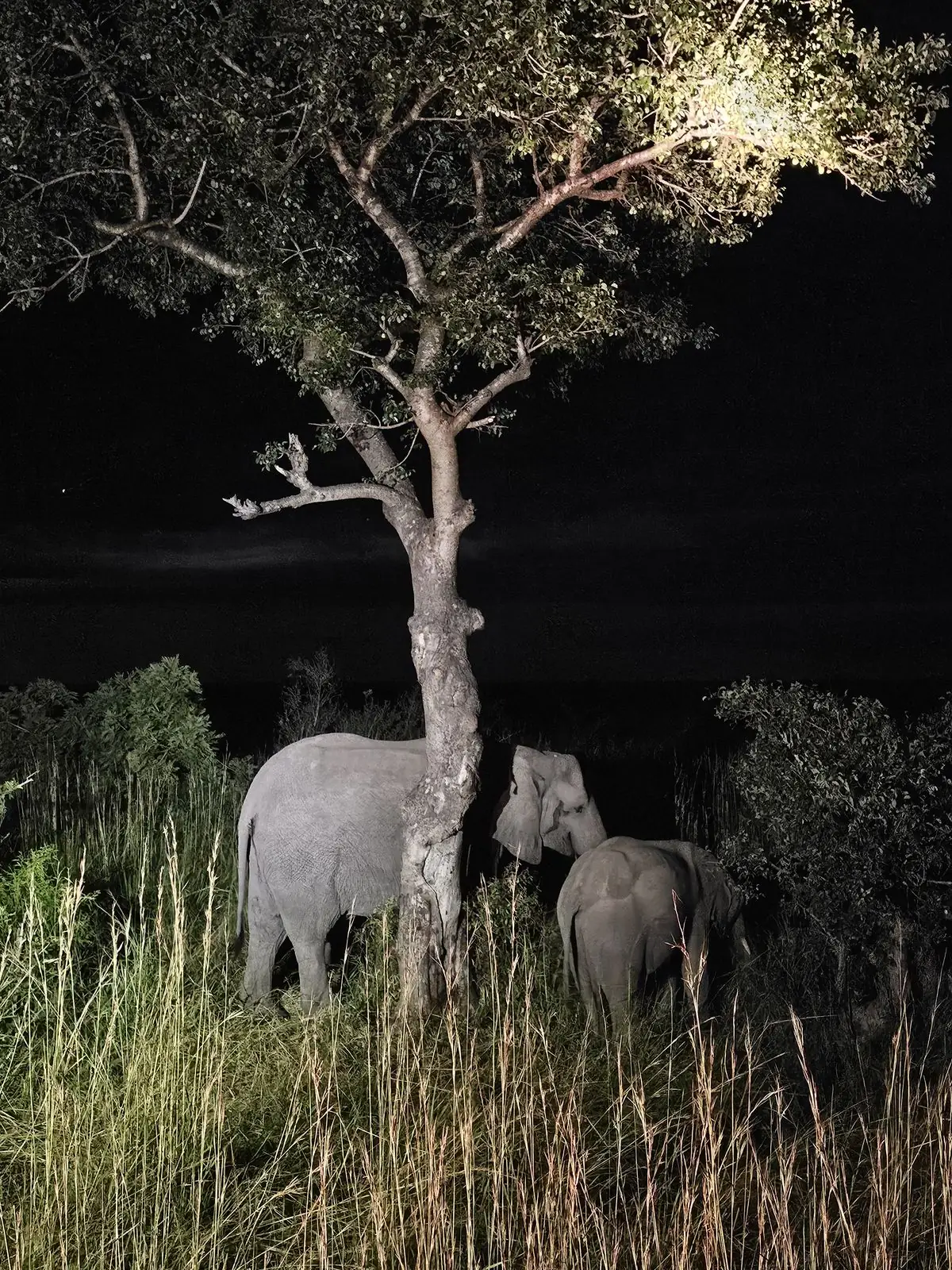
With the park. Game drives, trips in open vehicles, are usually run by the camps themselves: morning, evening and night, plus guided walks with a ranger. Prices are on the SANParks website. At our camp, Pretoriuskop, in 2026 a morning or evening game drive cost 454.50 rand per adult (≈ $28), a night drive 346.43 (≈ $22) and a morning walk 777.70 (≈ $49). A game drive only goes out if at least four people have signed up. And spots do get taken: when we arrived, the outing for that day was fully booked.
With a private ranger. We drove with Solomon from Mthunzi Safari & Transfers. Half a day cost us 750 rand per person (≈ $47), a day in a shared vehicle 1,450 (≈ $91), a whole vehicle 6,500 rand for everyone (≈ $405); the price includes only water, but they pick you up and take you back. We booked a shared vehicle, but nobody joined us, so in practice we drove just the three of us. The downside: a private ranger isn’t from the park, so in the evening you can only drive until the gates close, and you can’t go out at night with him.
The main advantage of any trip with a ranger, from the park or a private one, compared with driving yourself: rangers are in touch with one another and take you where animals have just been seen.
On your own. The cheapest option of all: arrive in your own car, pitch a tent in a camp and drive around the park by yourself. Then the main thing you pay for is the SANParks fee.
And in your own car you don’t have to stick to one camp. The park is huge, and if you have time, it’s great to drive all through it, spending nights in different camps.
Tips: in cash
Rangers count on tips, and on game drives from the camp they’re left in cash. That’s rare for South Africa, where you pay by card almost everywhere. We had no cash, and it was very awkward. Take a little rand with you.
What to bring
- A torch: for evenings in the camp. We brought ours, but they turned out to be poor quality.
- Binoculars: we hardly needed them. Many people had big cameras and binoculars in their vehicles, but for a first time a good phone zoom is more than enough.
Comments
I don’t ask for your email. I read every comment myself before it’s published.