Norilskharsh, but alive
Coffee with venison, houses on stilts, Golgotha and a mountain I didn't climb. Two days in a city often called the most depressing in Russia: and why I disagree.
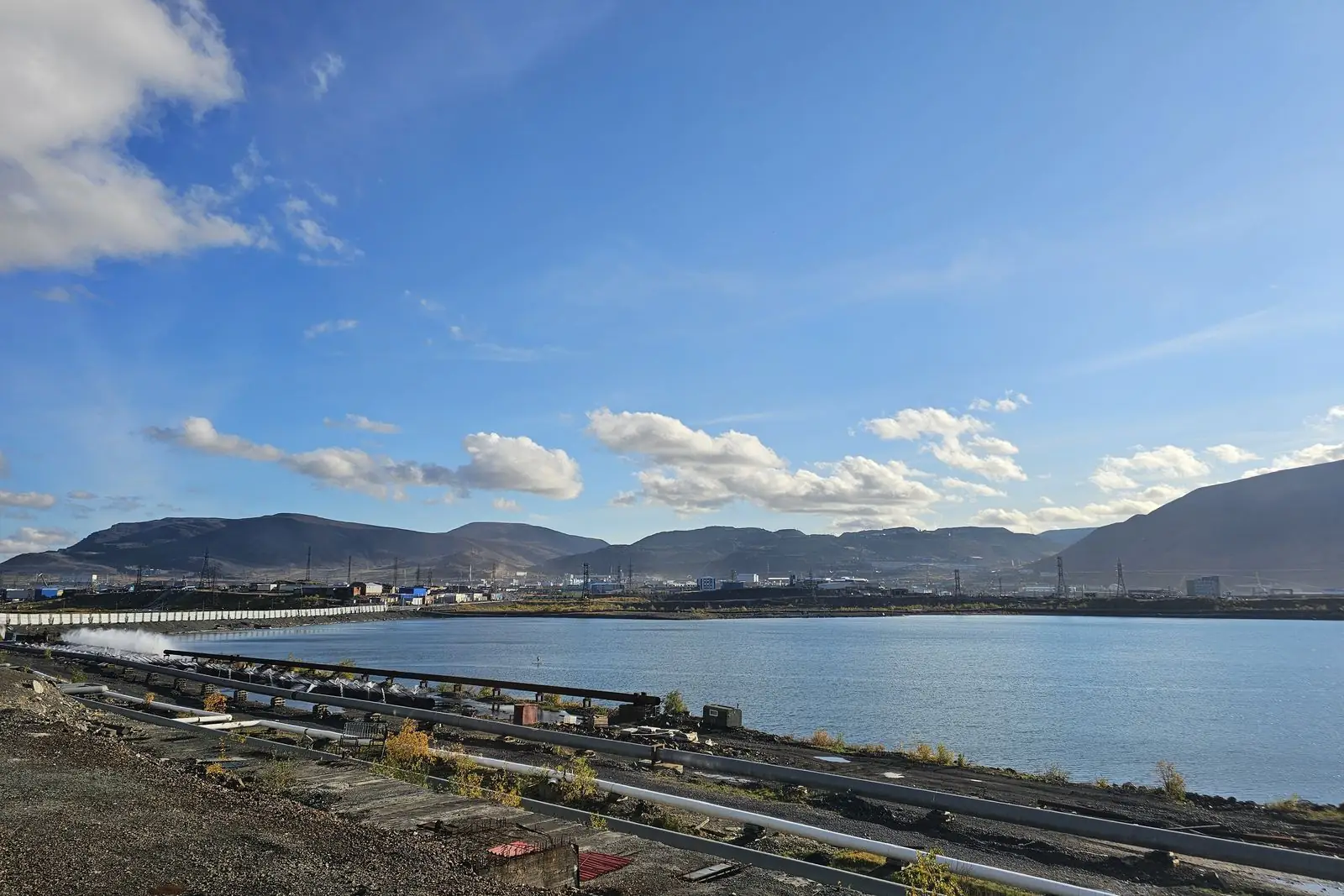
This is the first chapter of the story of the trip to the Putorana Plateau, mountains in Taimyr, above the Arctic Circle. The journey there starts in Norilsk: this is where the group sets off for the base. I flew in a day earlier than the others, just in case, so I wouldn’t worry if something went wrong with the flight. And that left time to see the city itself.
Day 0: the first walk
The airport greeted me with news: Yandex Taxi, Russia’s main taxi app, doesn’t work here, though it does in the city itself 🫠 At a desk in the airport I bought a bus ticket for 1,300 roubles (≈ $17), and it took me right to the door of the flat I’d rented for a day. I rested a bit, leafed through a magazine about Norilsk and Taimyr, and went for a walk.
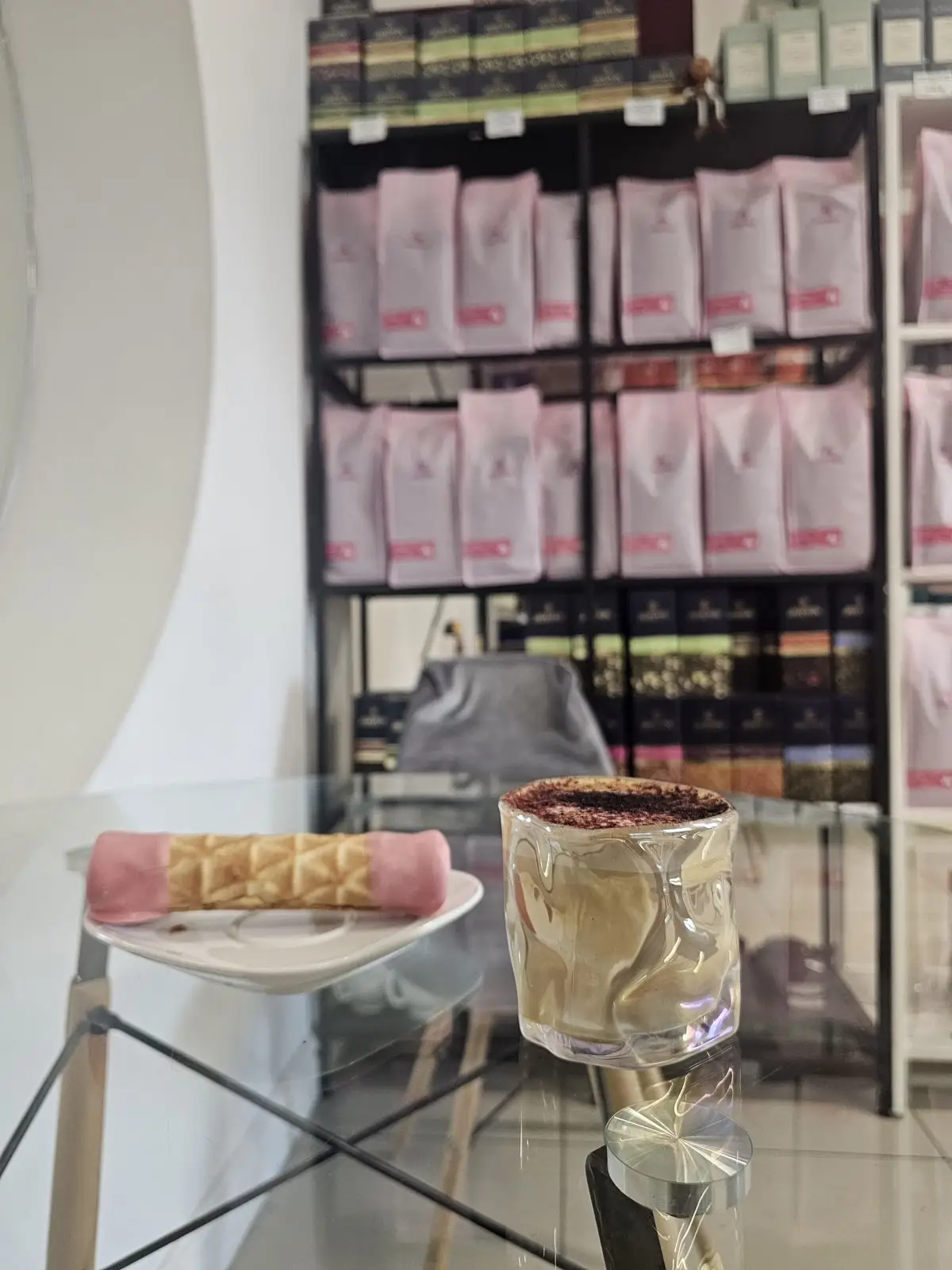
“Coffee Friend”
First, to the café “Coffee Friend”, which I’d read about both in the information sheet and in the magazine. A really fun place. I tried the Arctic coffee “Northern Lights”, with eucalyptus and freeze-dried berries. Very tasty 😍 And they also have a signature coffee with venison shavings. It’s even patented here. The café is cosy, and various events are held in it.
Local colour
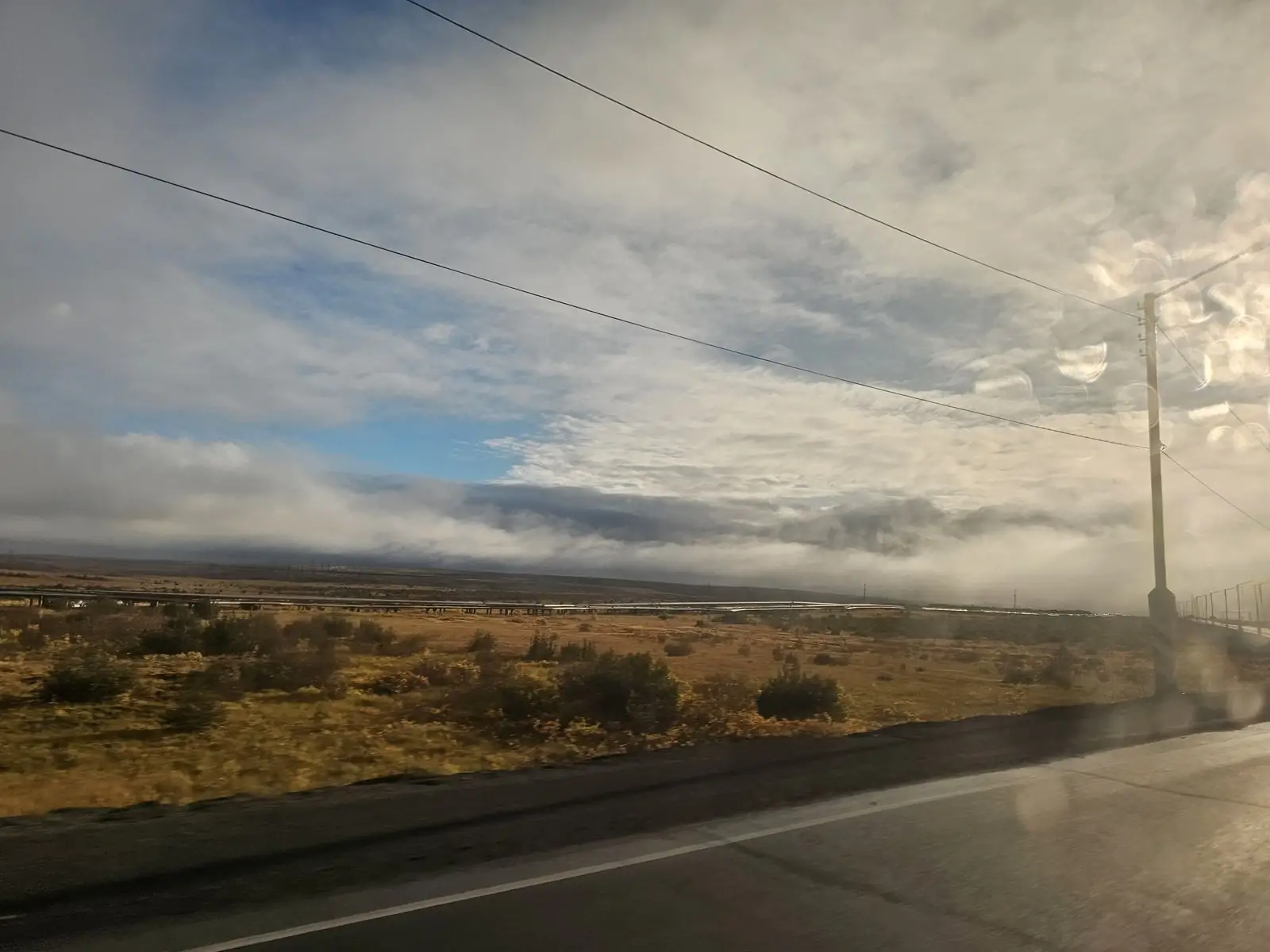
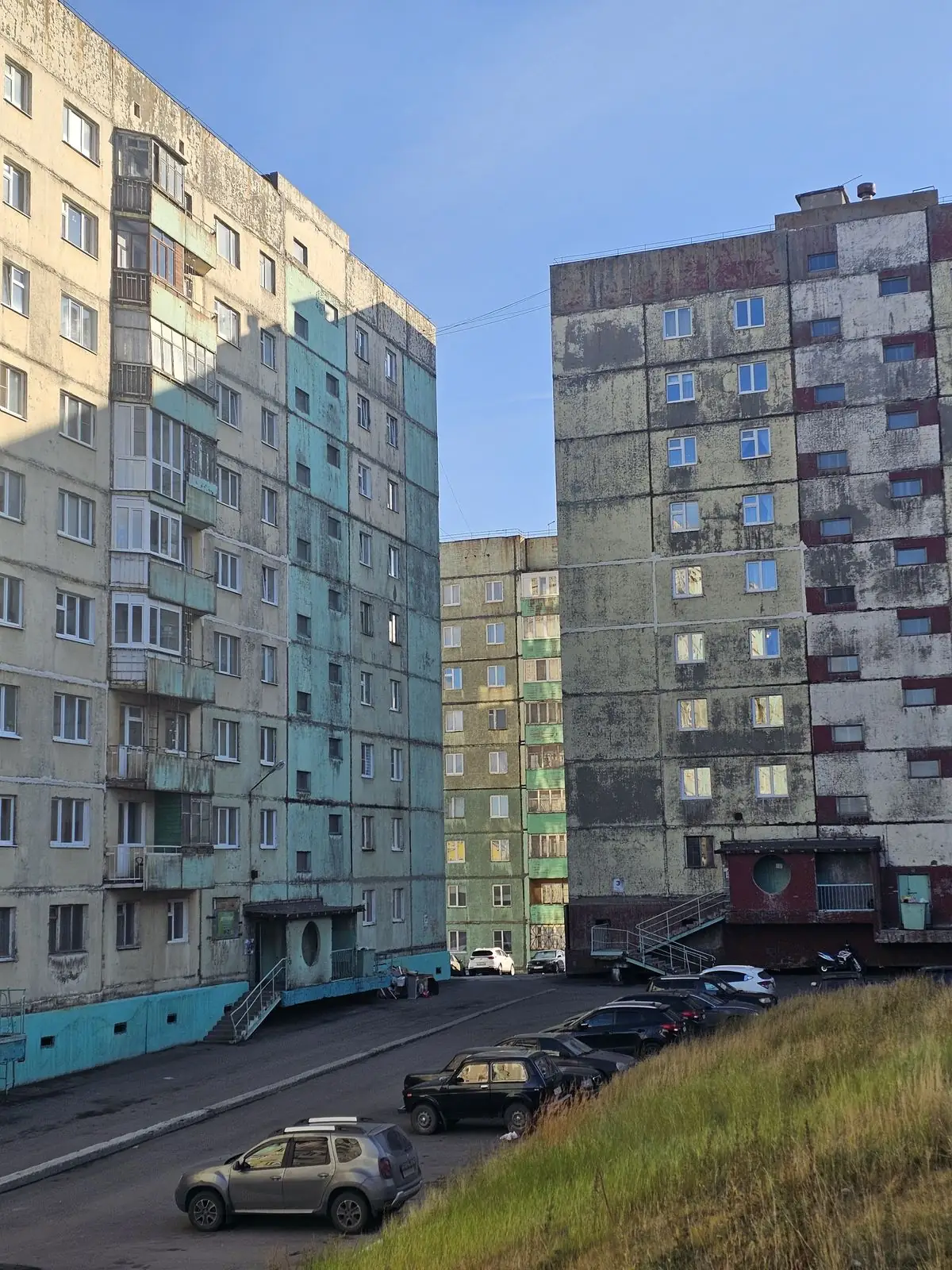
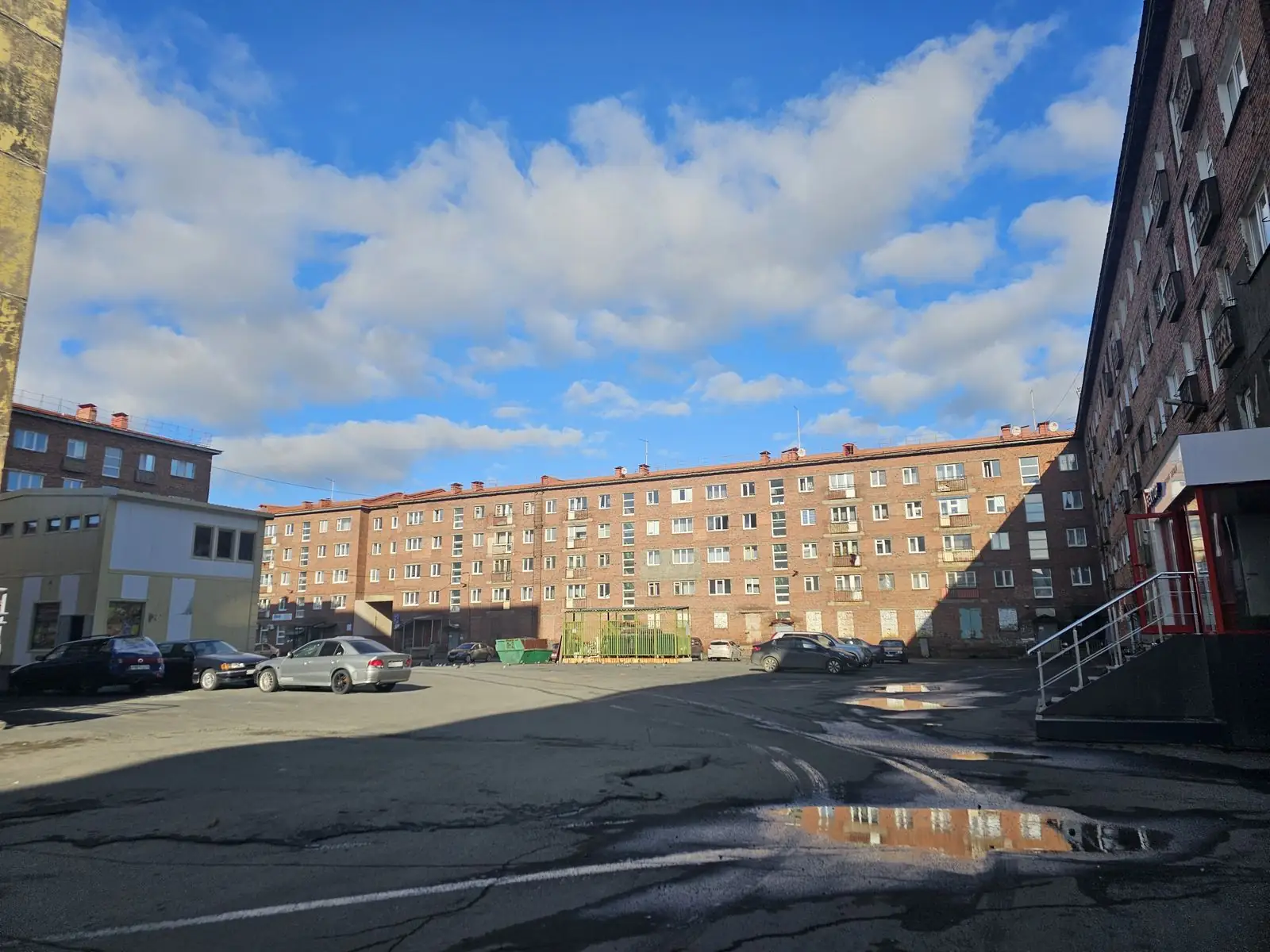
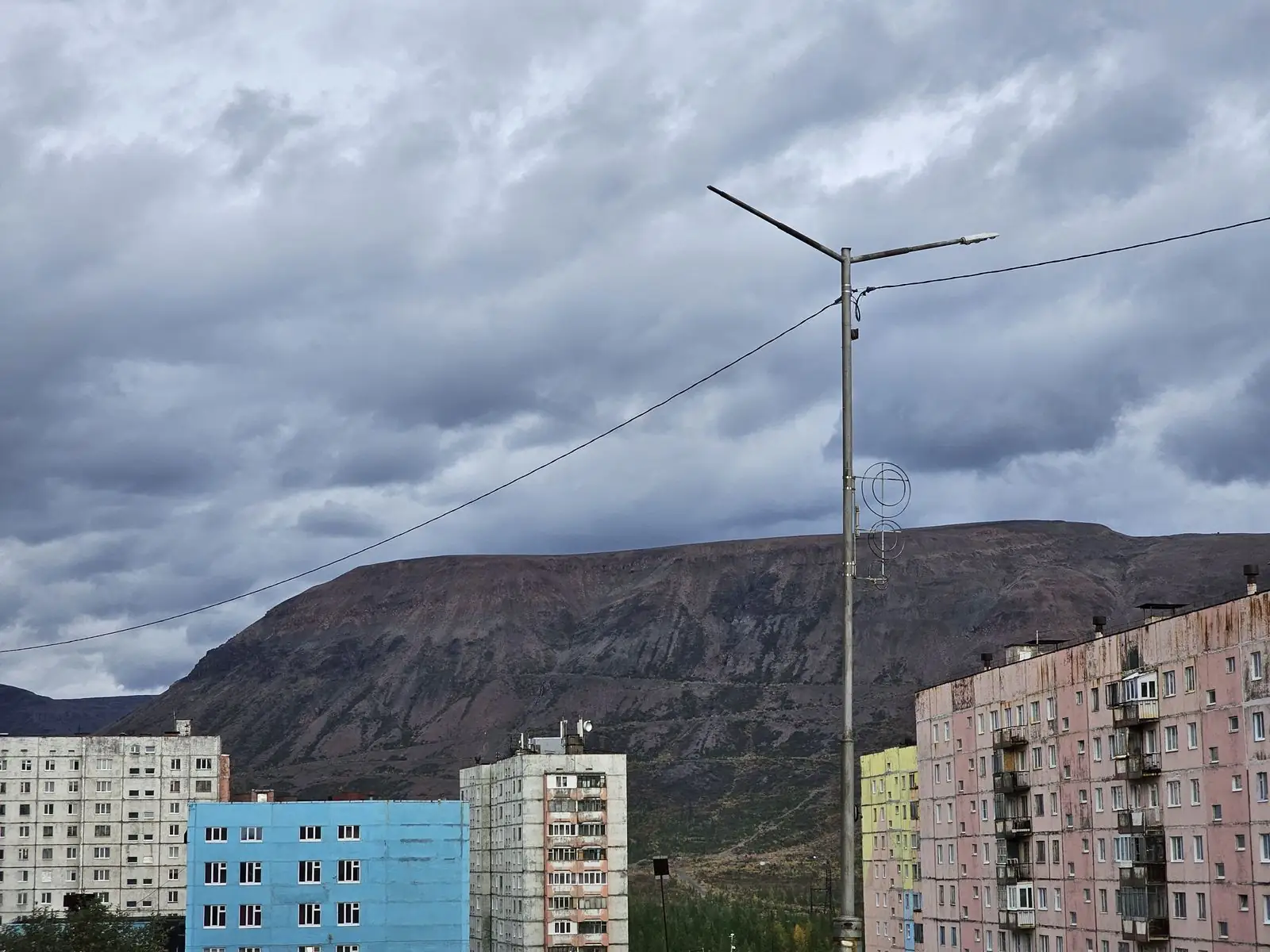
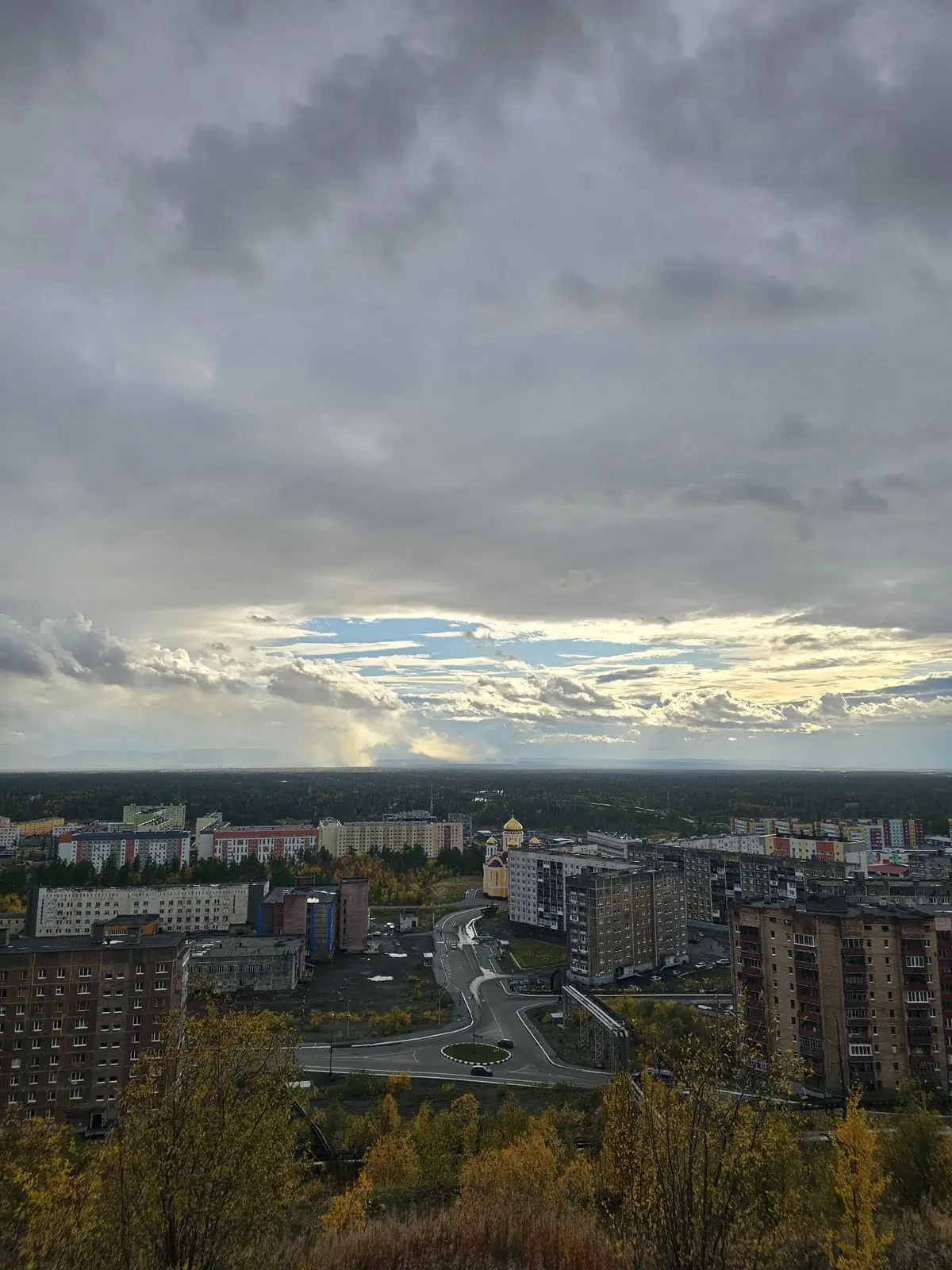
The city looks harsh: dense Arctic buildings, buses that run, among other places, through the industrial zone. That’s neither good nor bad, just its own vibe.
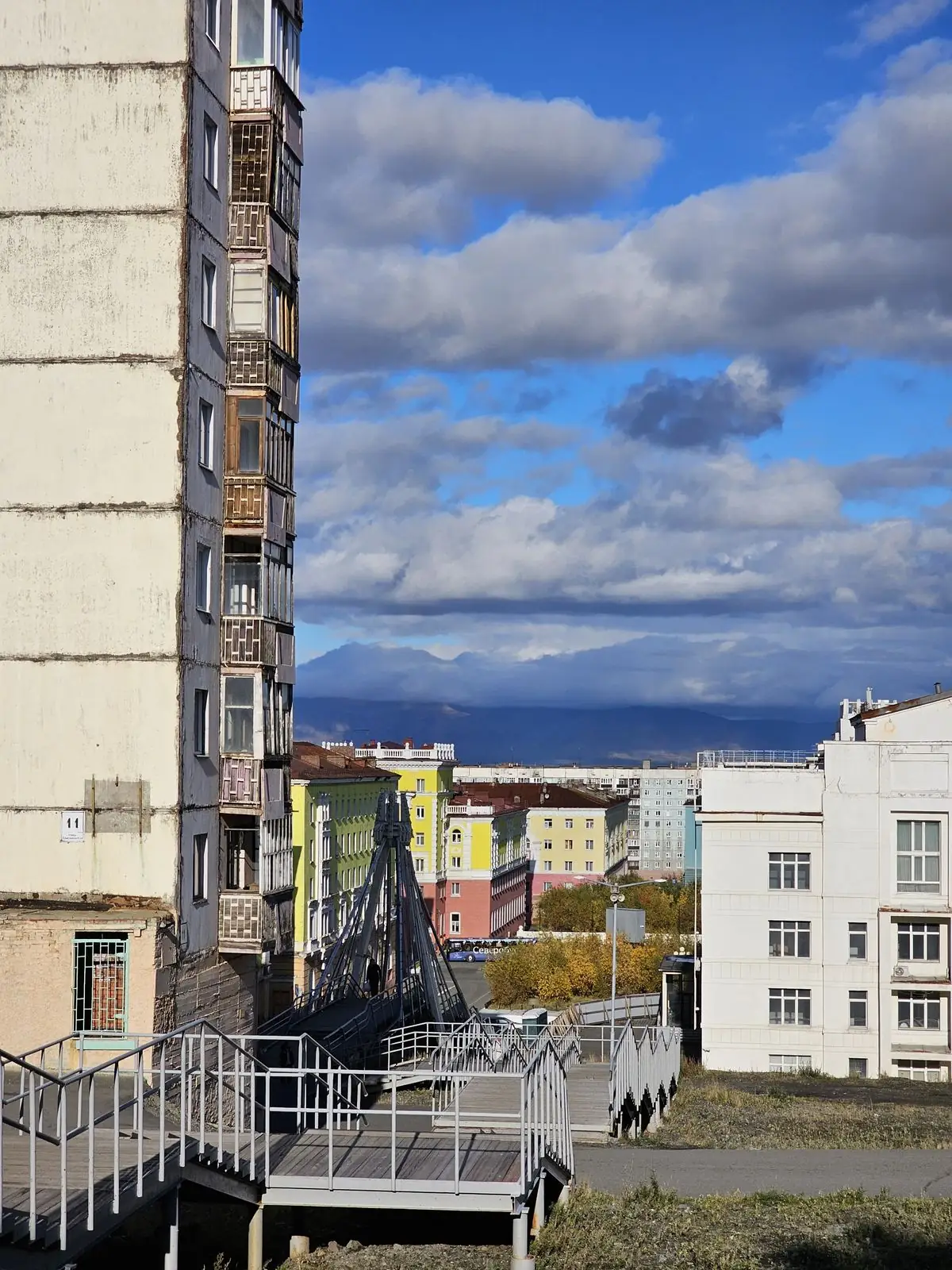
But the longer you walk, the more you notice. Buses here, for example, are called “northern buses”: you can pay by card (a Russian one: cards issued abroad don’t work in Russia), and all the routes are on Yandex Maps, so getting around is easy. There are many murals in Norilsk, and the houses are painted in different colours: from bright yellow to calm neutrals. In one of the courtyards I came across a place devoted to ecology: swaps and workshops are held there.
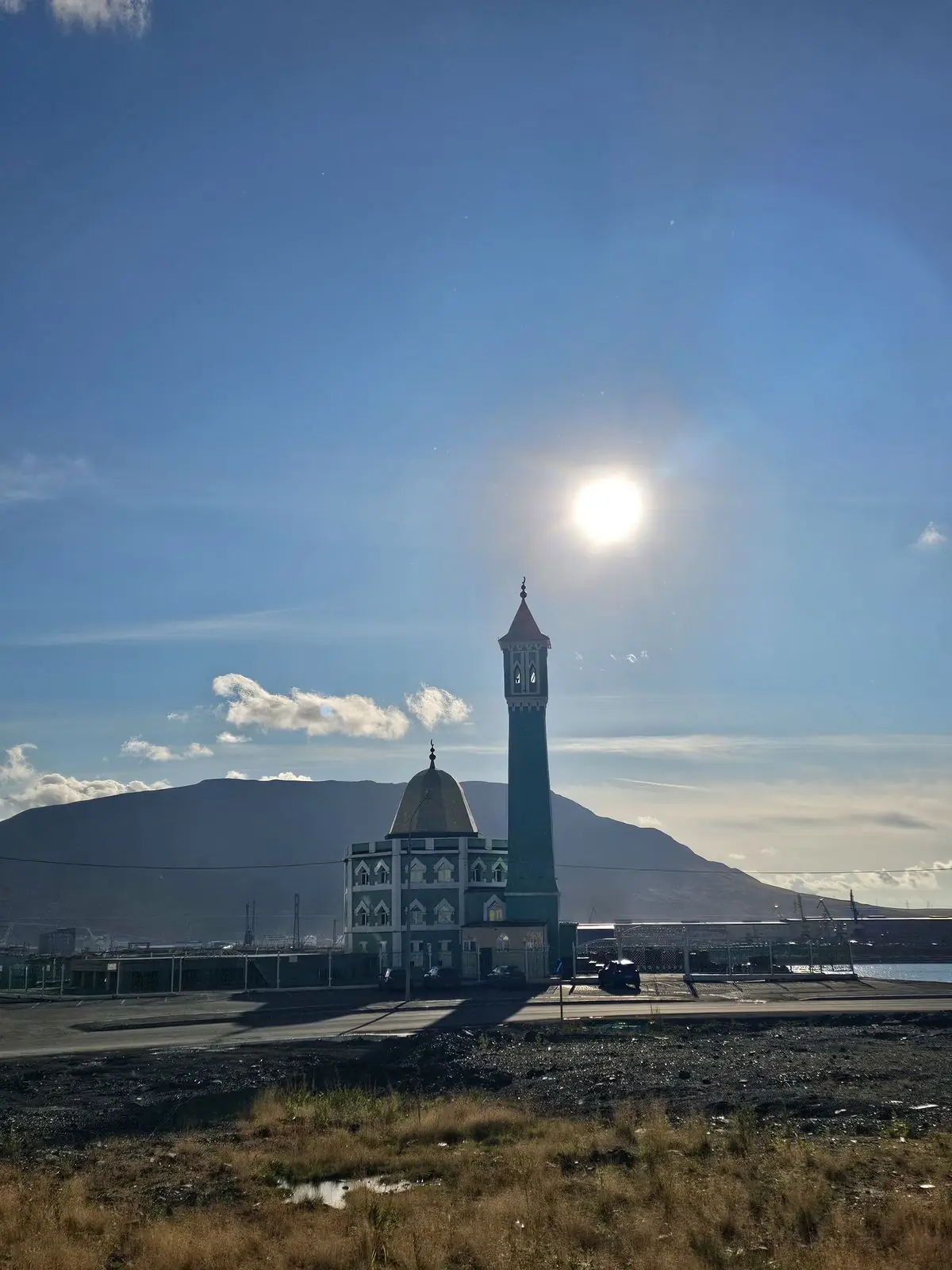
The church and the mosque
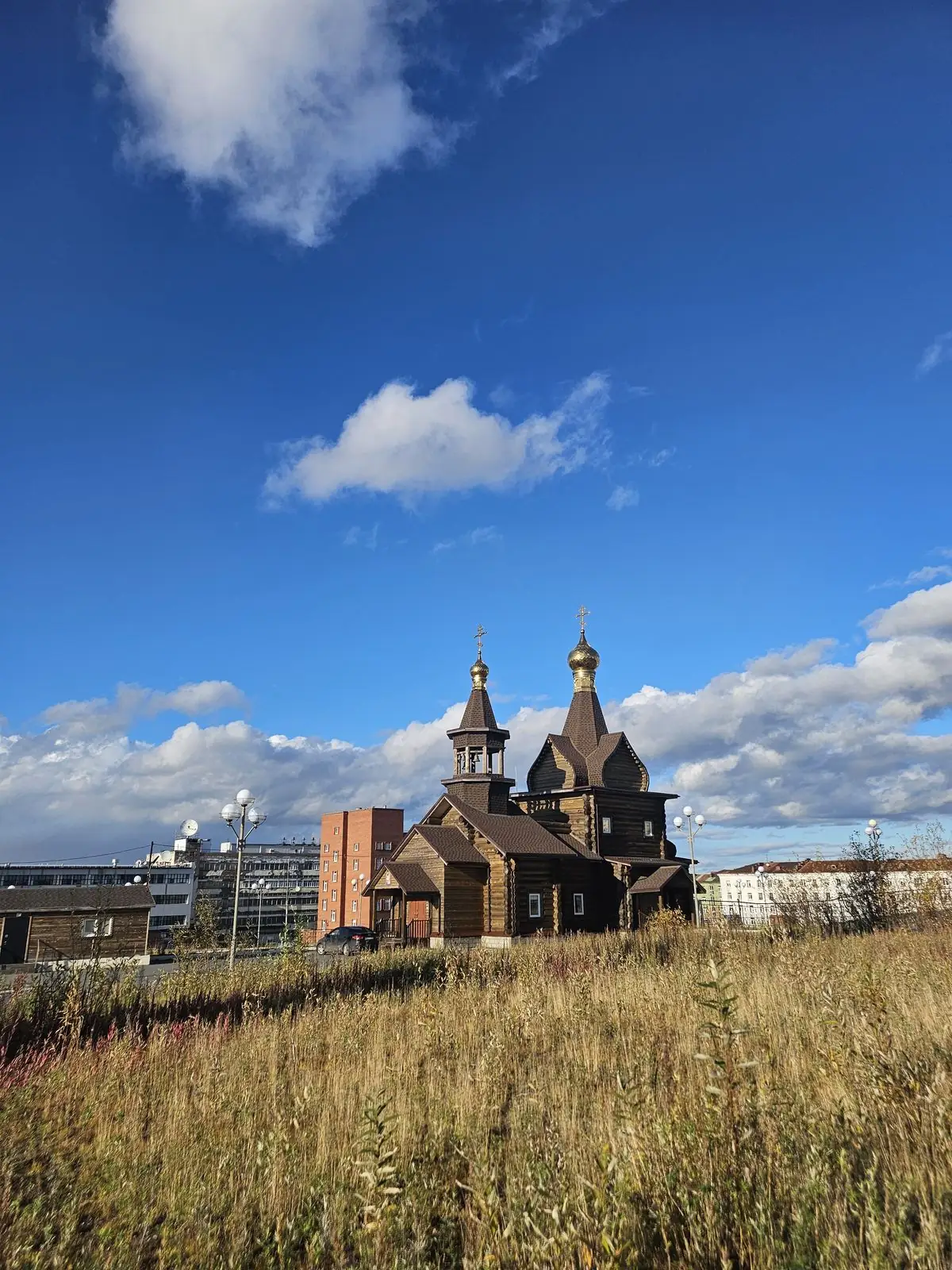
The Church of St Luke, Archbishop of Krasnoyarsk, and the mosque stand not far from each other, and next to the church there’s a beautiful viewpoint over the lake. When I arrived, children were sitting there, apparently from an art school, drawing the church outdoors. I really wanted to photograph them, but I was too shy even to ask. Maybe I shouldn’t have been 🙂
The Nurd-Kamal mosque is called the northernmost in the world. I didn’t go inside: I had no headscarf with me. But it was interesting from the outside too.
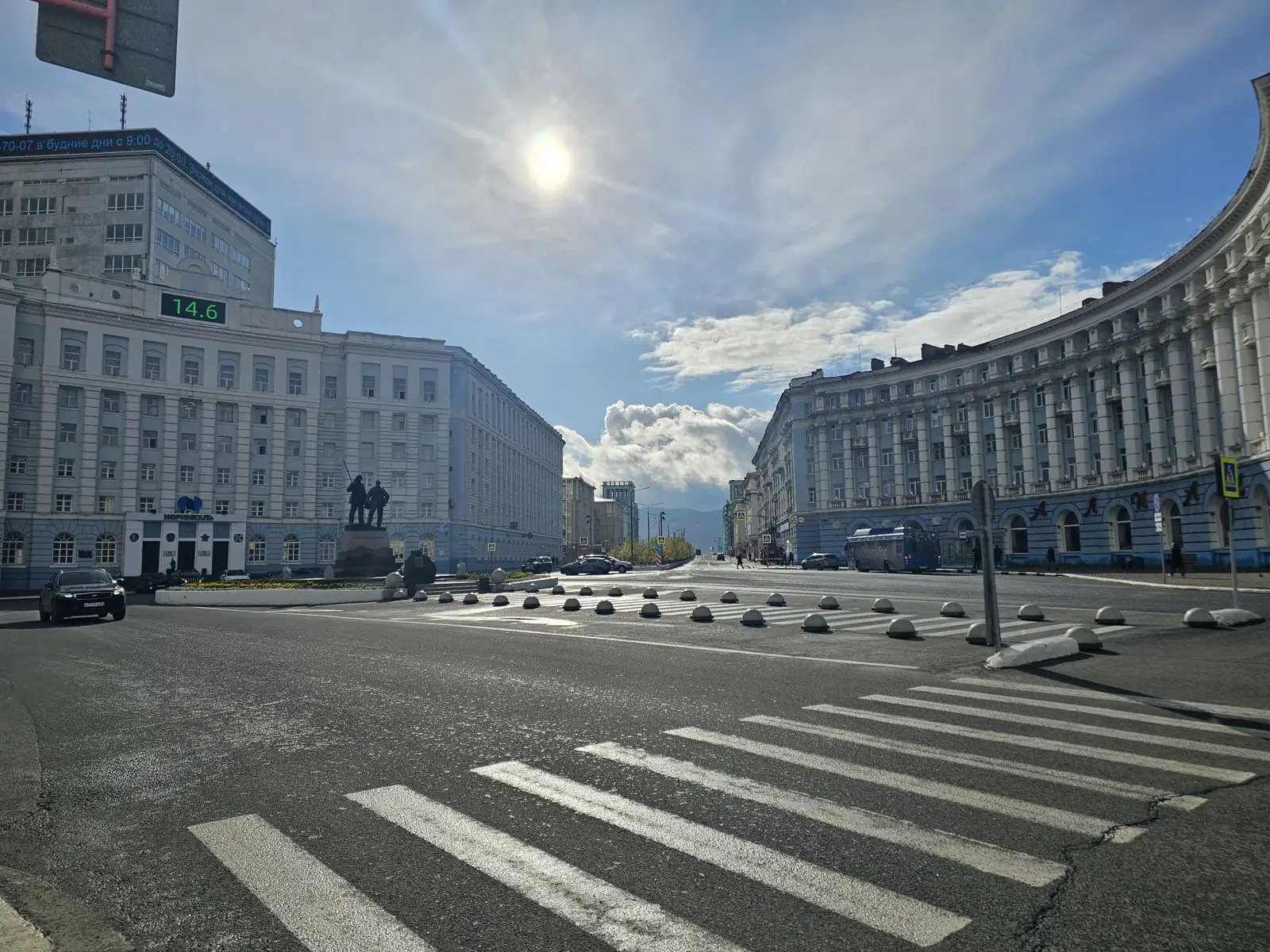
Leninsky Prospekt
Leninsky Prospekt is the centre of the city. At the start: Stalinist Empire style and bright yellow houses, and on the square, of course, Lenin. A classic. The street itself is pleasant, good for simply strolling.
Norilsk’s First House, where the geologist Nikolai Urvantsev, who explored these parts, wintered, stands here too, and so does a museum next to it. Both were closed that day. The art gallery is also closed on Mondays, mind you.
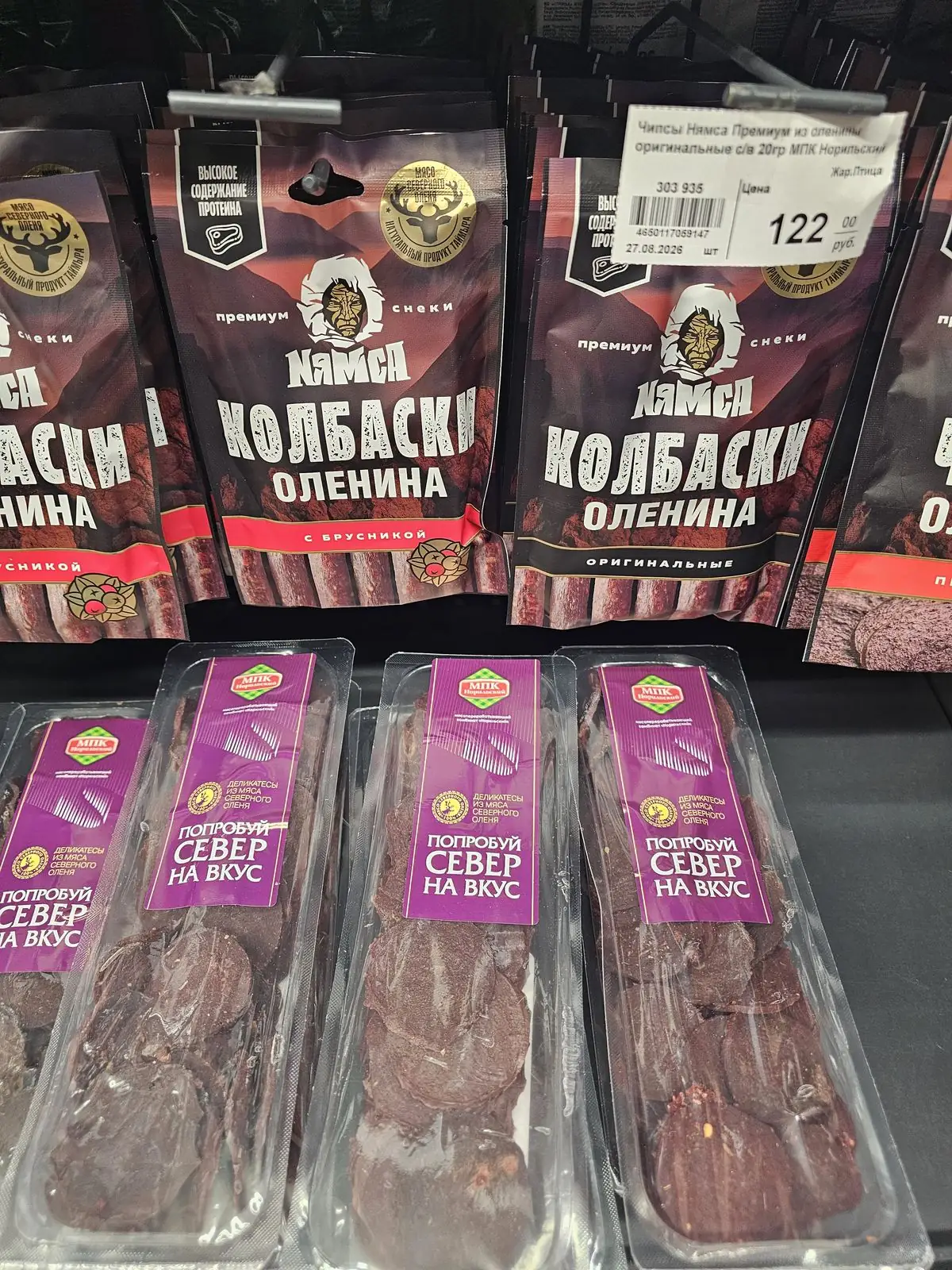
“Zhar-ptitsa”
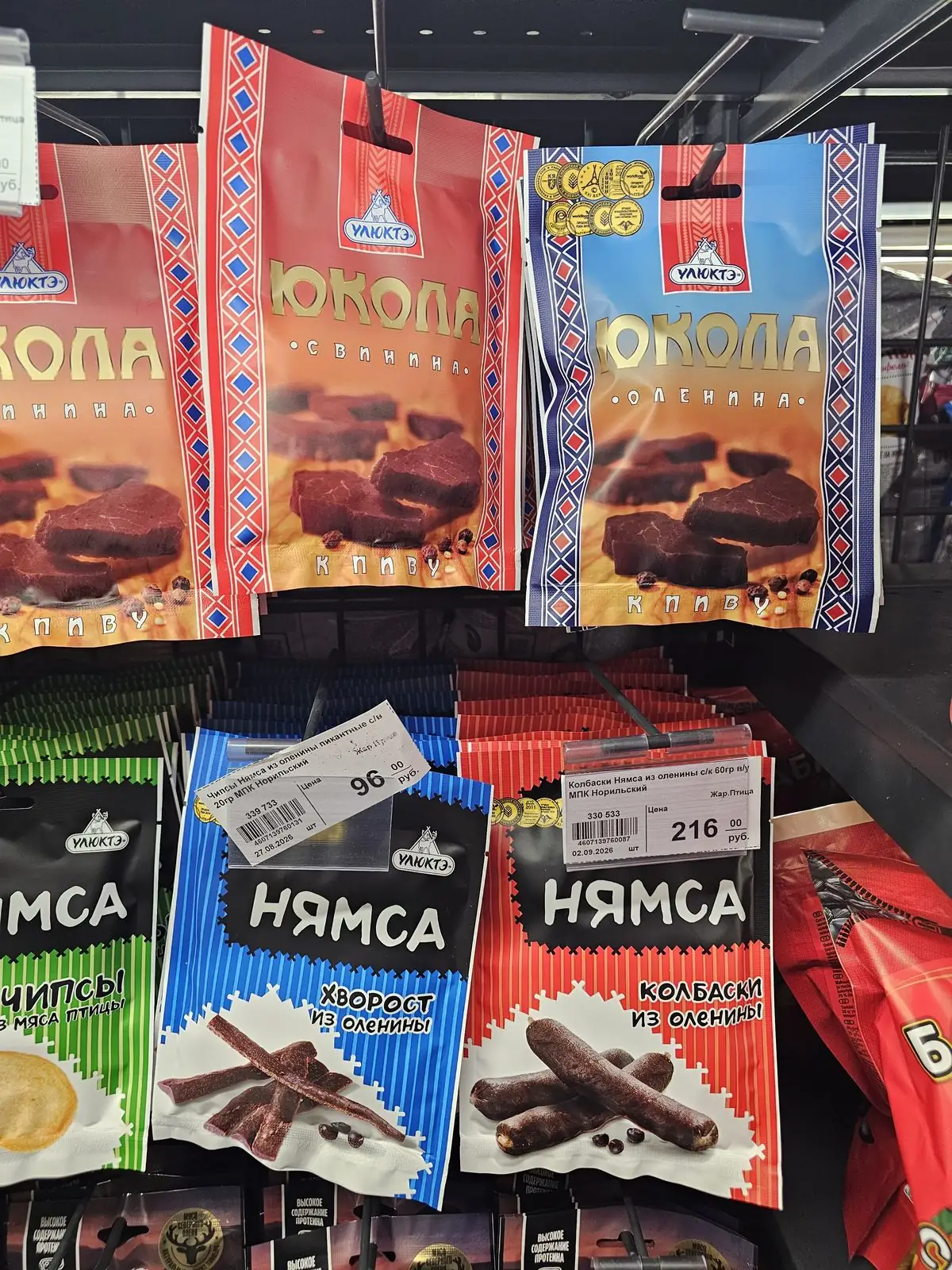
If you like exploring local products, drop into the shop “Zhar-ptitsa” (“Firebird”). There’s venison in every form, while vegetables and greens are very expensive: coriander cost about two thousand roubles (≈ $26) a kilogram. When river navigation closes and supplies come only by air, prices rise even more.
Evening
Towards evening I decided to rest a bit and went for a hookah. There’s just one dedicated hookah place in the city: BomBay Lounge, and the hookah there is good. It turned out to be an eight-minute walk home, and by then I was dead on my feet.
How the city works
Norilsk is easy to take for a gloomy city: panel blocks, an industrial zone, a harsh climate. But almost everything here is done with logic: the city simply answers to its climate.
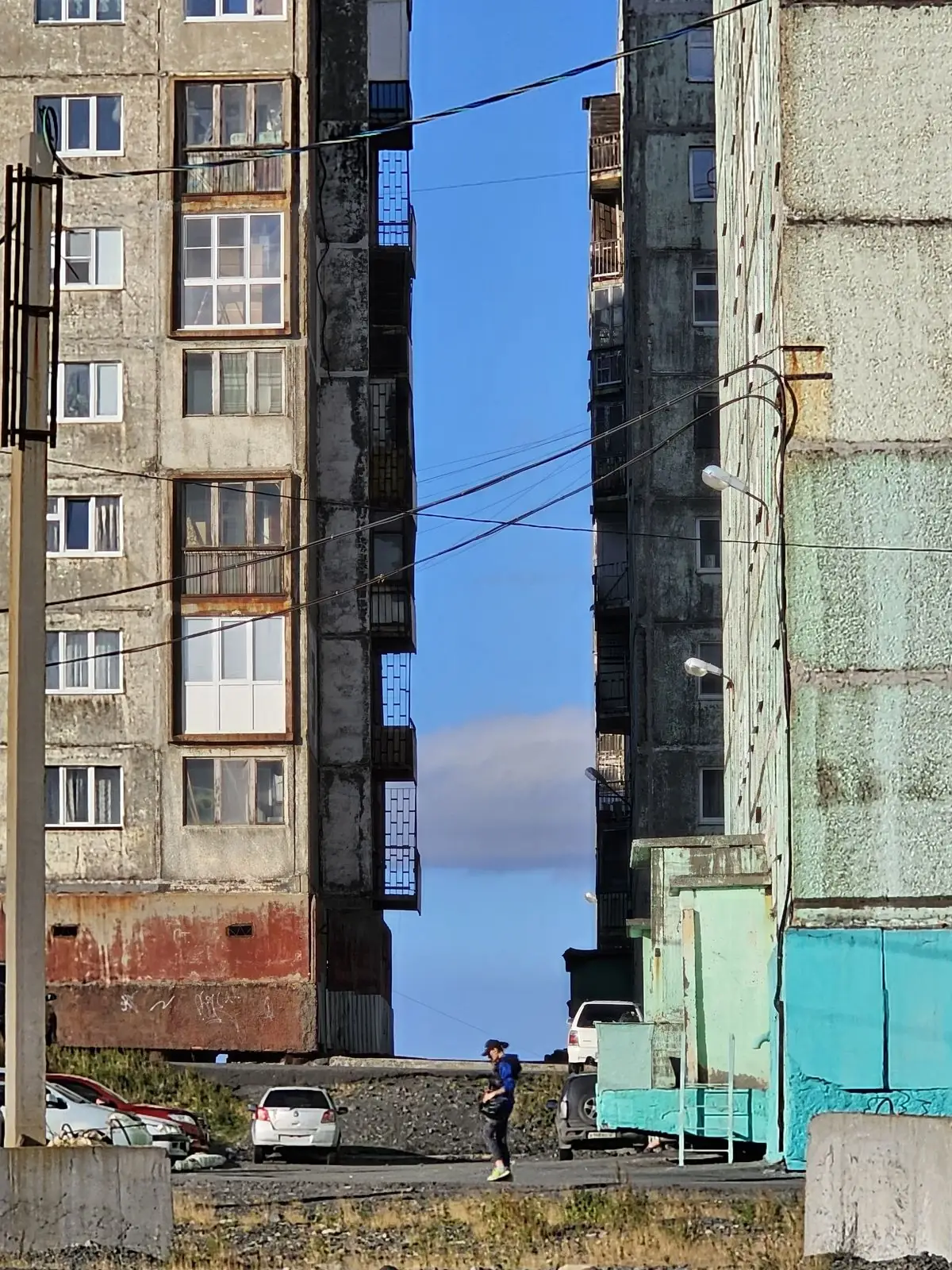
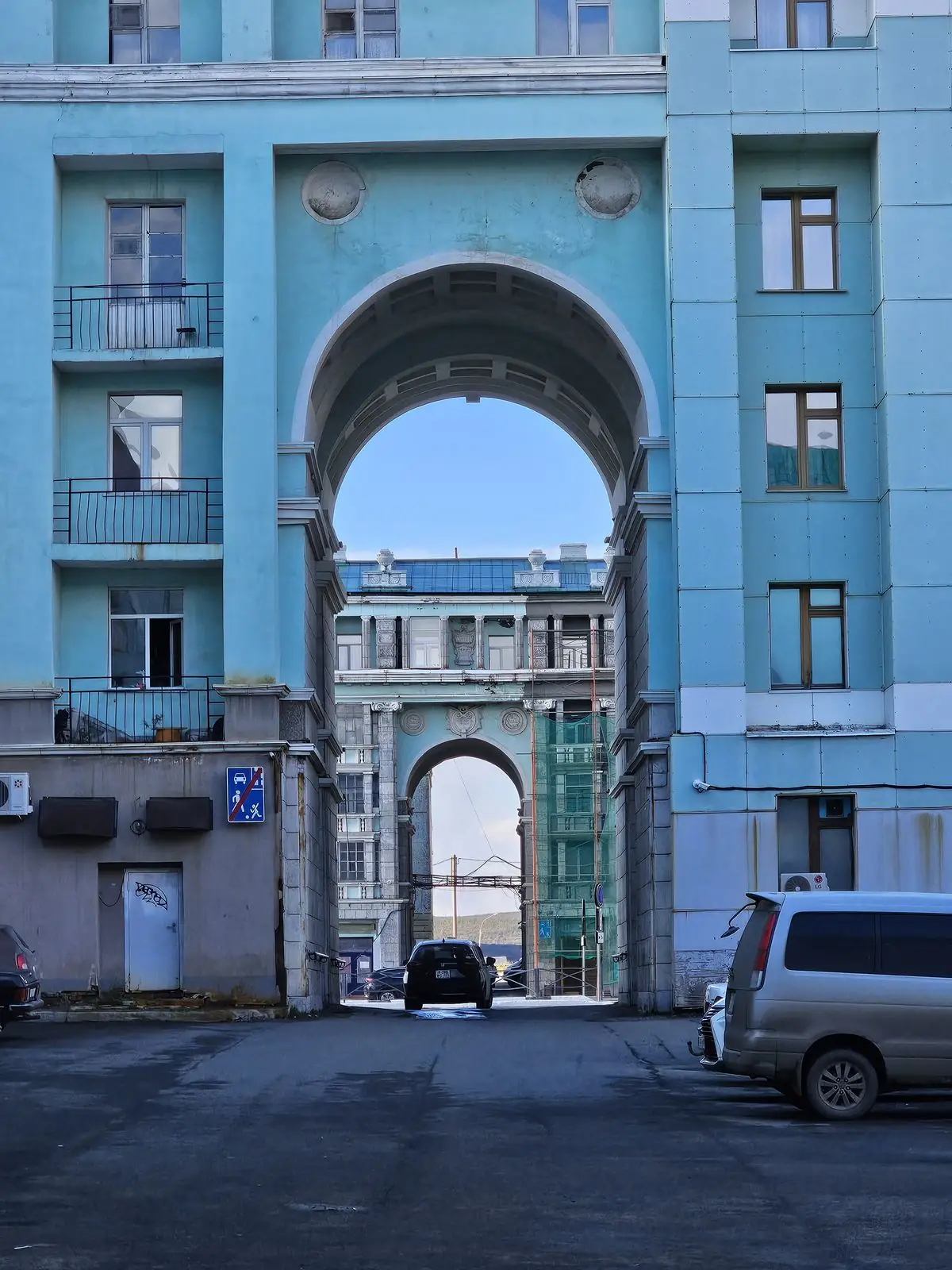
Norilsk stands on permafrost: the ground beneath it never thaws completely, but the heat from houses can make it soft, and buildings would start to sink. That’s why the houses stand on piles that go deep into the ground. Many houses seem to begin on the second floor, so entrances and windows aren’t buried by snow in a blizzard. And the houses stand close to each other, in a rectangle around a courtyard. You step into the courtyard, and there’s almost no wind, though Norilsk is very windy. The passages between houses are sometimes tiny: that’s how the buildings dampen the gusts.
The whole city grew up around the Nornickel plant, and there really is a lot of work here. When you understand why everything is arranged the way it is, the harsh blocks stop looking depressing. More like engineered.
Day 1: Golgotha, a mountain I skipped and Talnakh
The next day I moved to a hotel. That was already part of the tour. The organiser said we’d meet at 7:30 a.m. tomorrow, and today I was free.
The museum and Golgotha
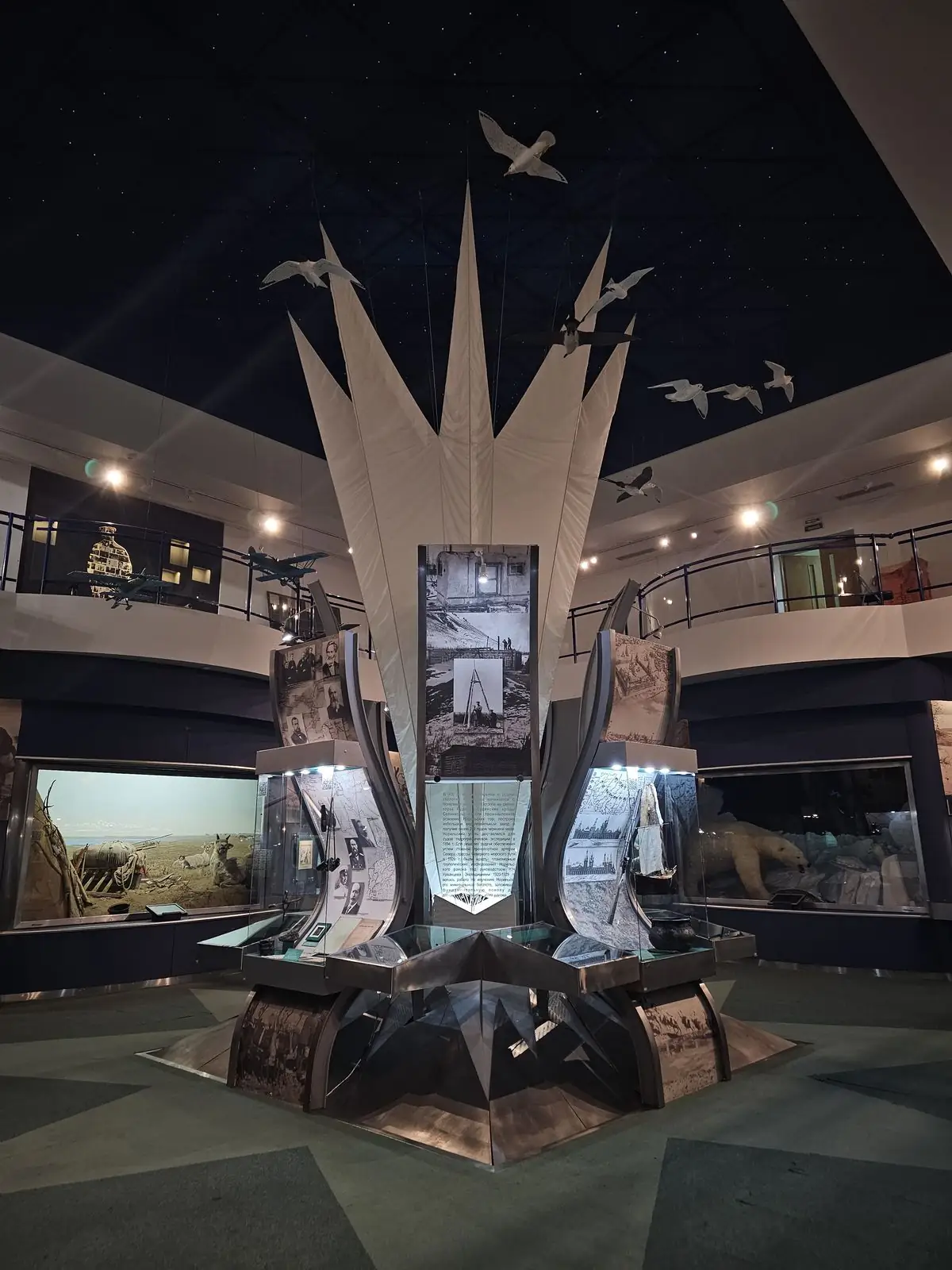
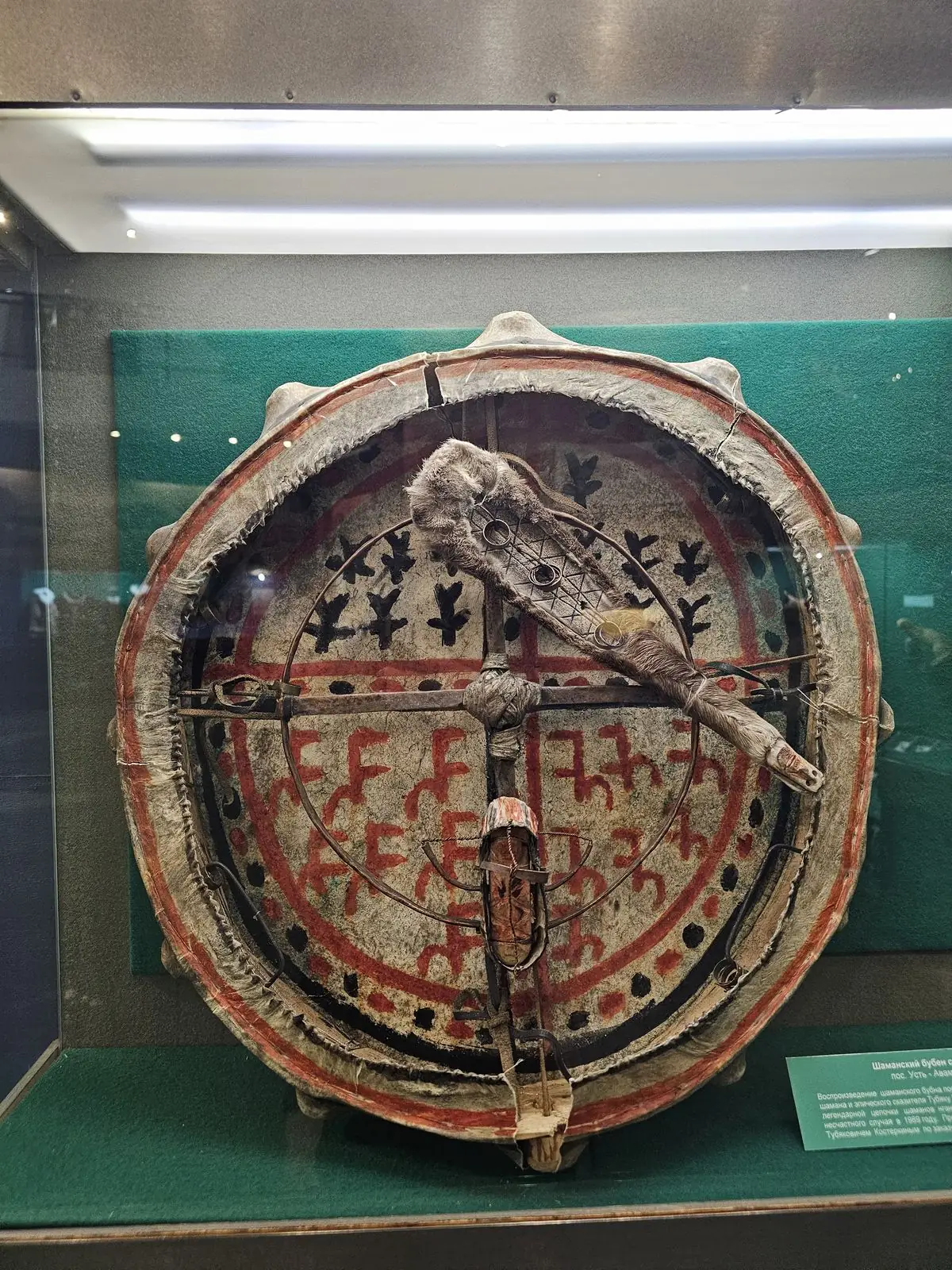
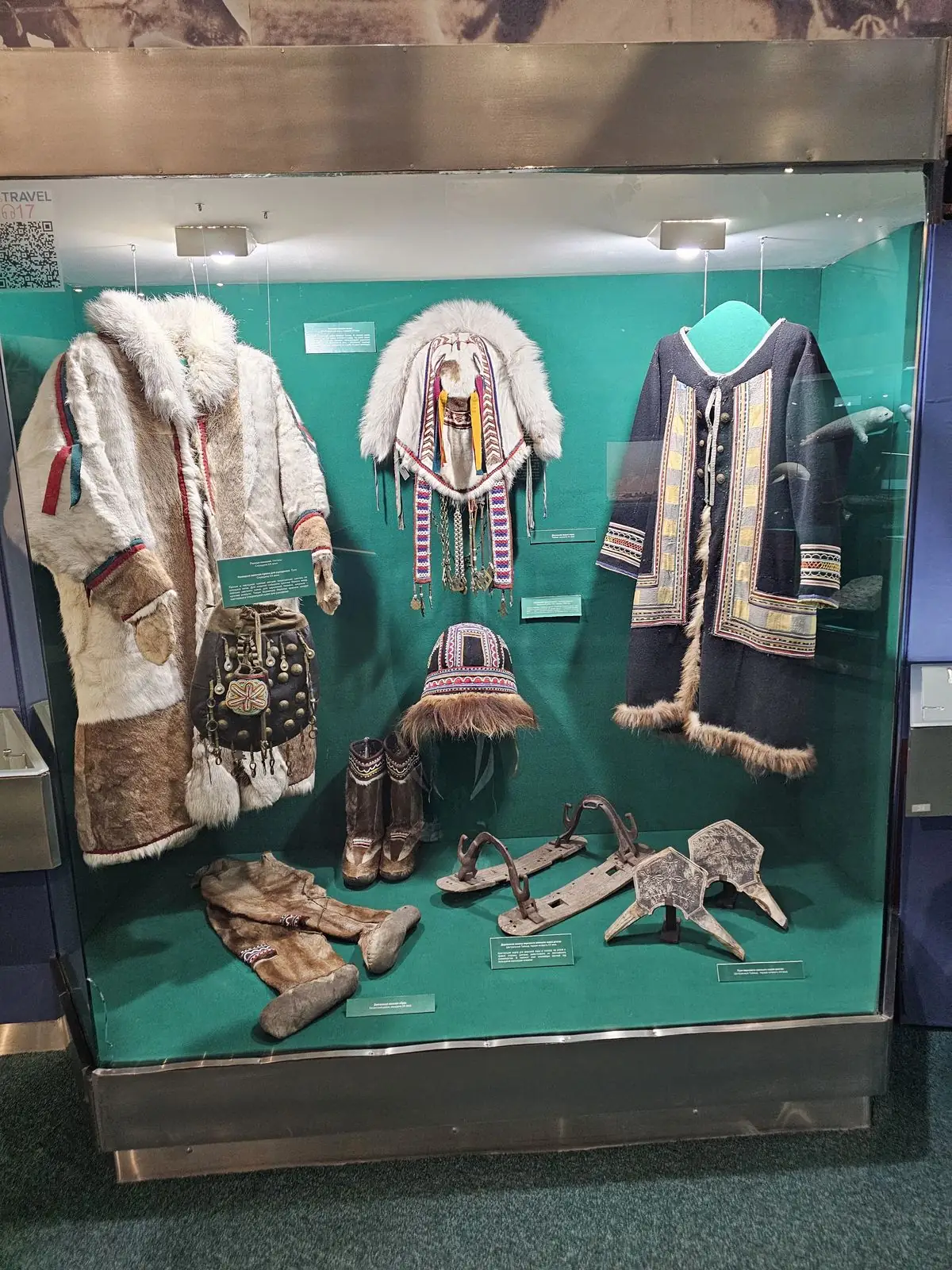
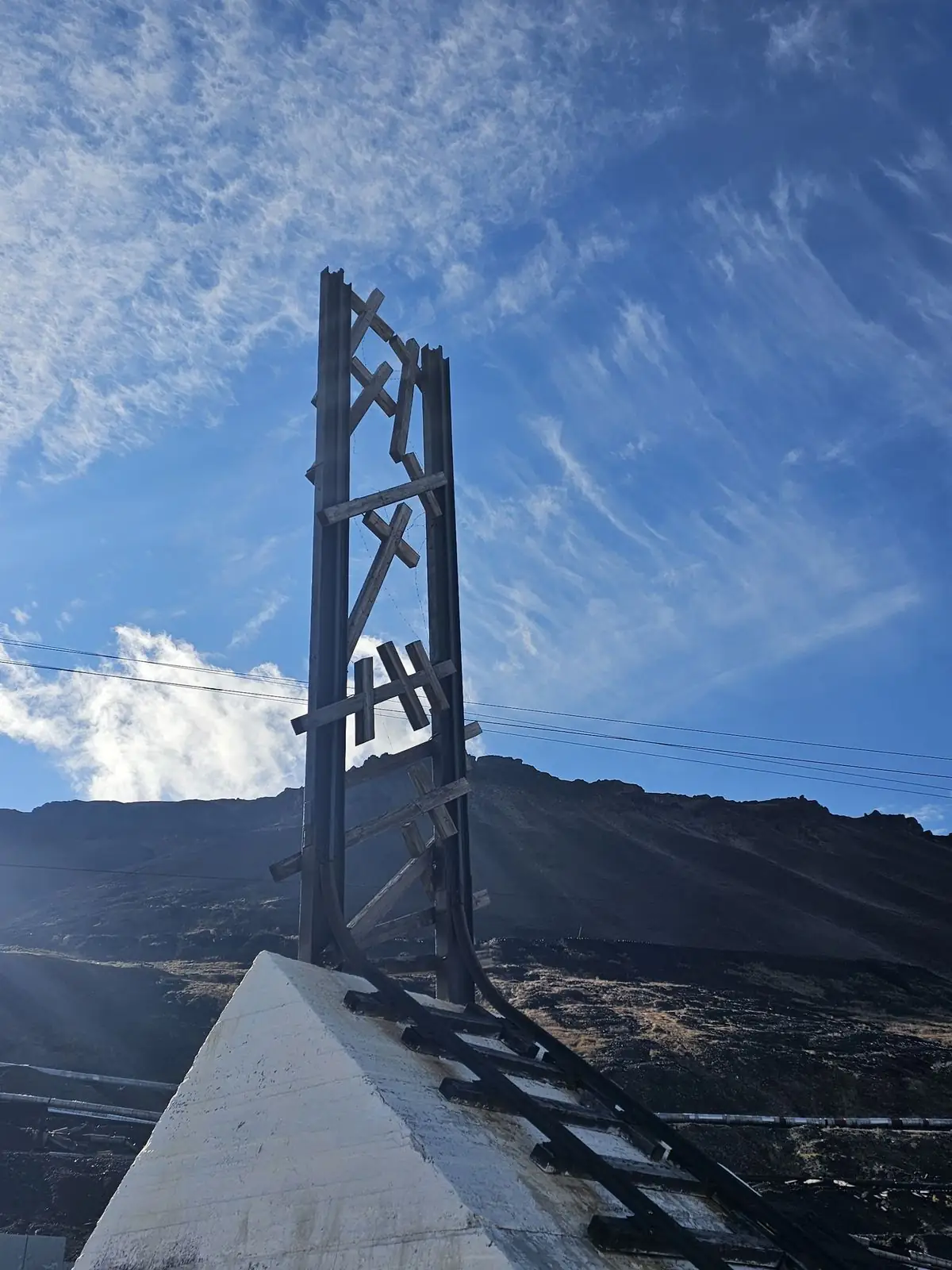
I started with the museum and learned the city’s history in detail for the first time. Norillag was one of the biggest camps of the Gulag, and Norilsk was built by its prisoners, a great many of them political. You feel it most at Golgotha, a memorial to the prisoners who died. There are monuments with inscriptions in Japanese, Lithuanian, Latvian, Estonian and Polish: people were brought here from all over the USSR. Now the city has a completely different life, but many Norilsk residents remember the stories of their grandparents.
The art residency
From the museum I went to the contemporary art residency, and ran into a closed door. ChatGPT had warned that you have to arrange a visit in advance, and I decided it was making things up. A case where I should have trusted AI.
Mount Schmidt, which I didn’t climb
I had grand plans for the day: to climb Mount Schmidt, which is visible from many points in the city. Golgotha stands right at its foot. But on this side the foot is solid industrial zone: no houses, no shops, only pipes and factory buildings. There’s no official trail. The only description of a route I found was in forum comments where people hide geocaches: climb over the pipes, pass abandoned mines and only then start going up. Where Nornickel’s territory ends is unclear.
I looked at all this and decided not to go. The next day a driver told me two wolves had recently been seen there. It seems the decision was right 😅
Talnakh and the Red Rocks
Plan B, Dudinka, didn’t work either: the bus there runs once a day, and it had already left. So I went to Talnakh, a small satellite town of Norilsk where workers also live. The bus costs about 70 roubles (< $1) and takes about an hour.
The goal was the Red Rocks, a waterfall among red cliffs. From Talnakh I took a taxi to the middle of nowhere, to a mine called VS-8. As I left, the driver asked whether I’d be here alone and advised me to be careful: “There are lots of animals.”
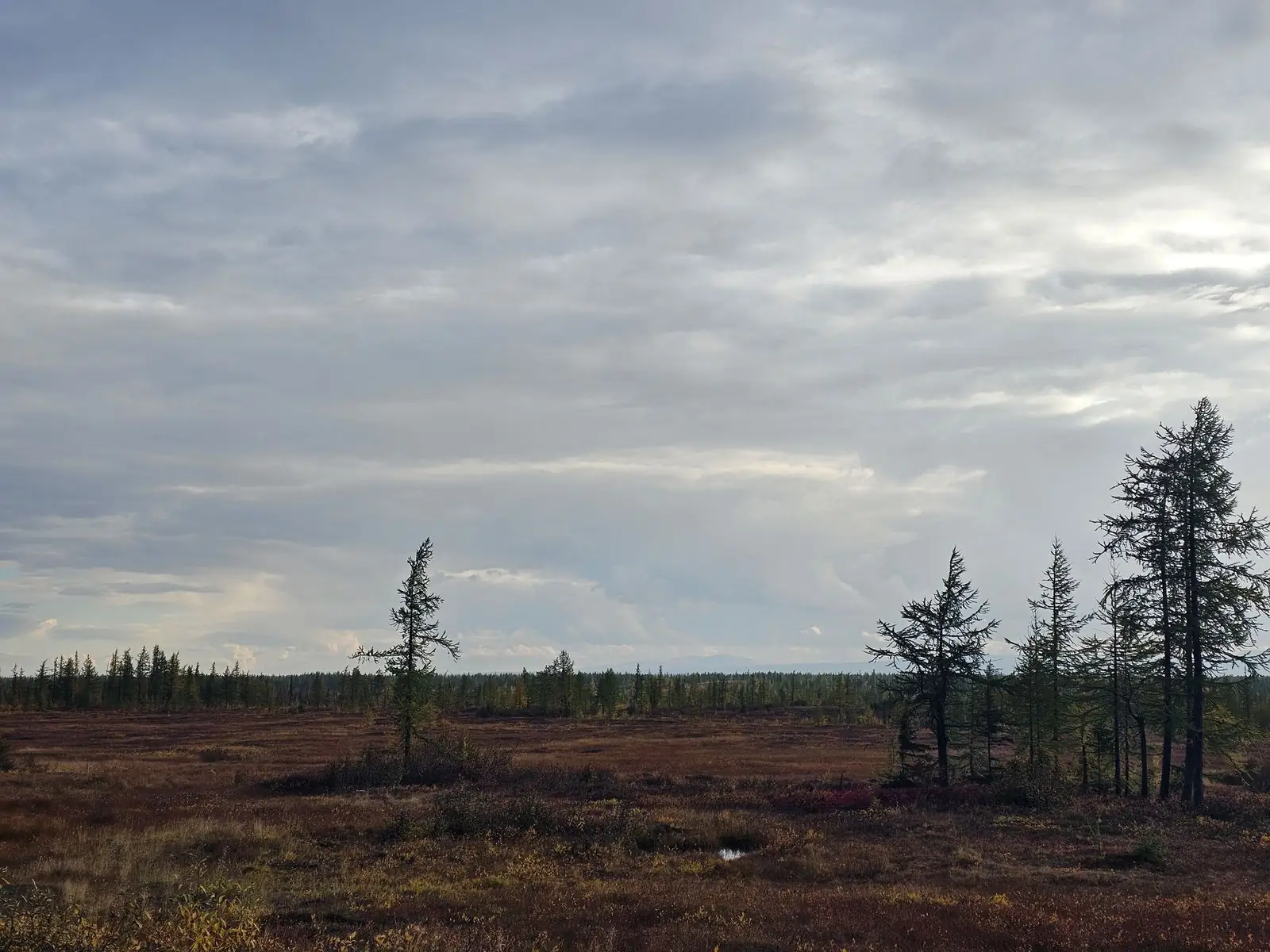
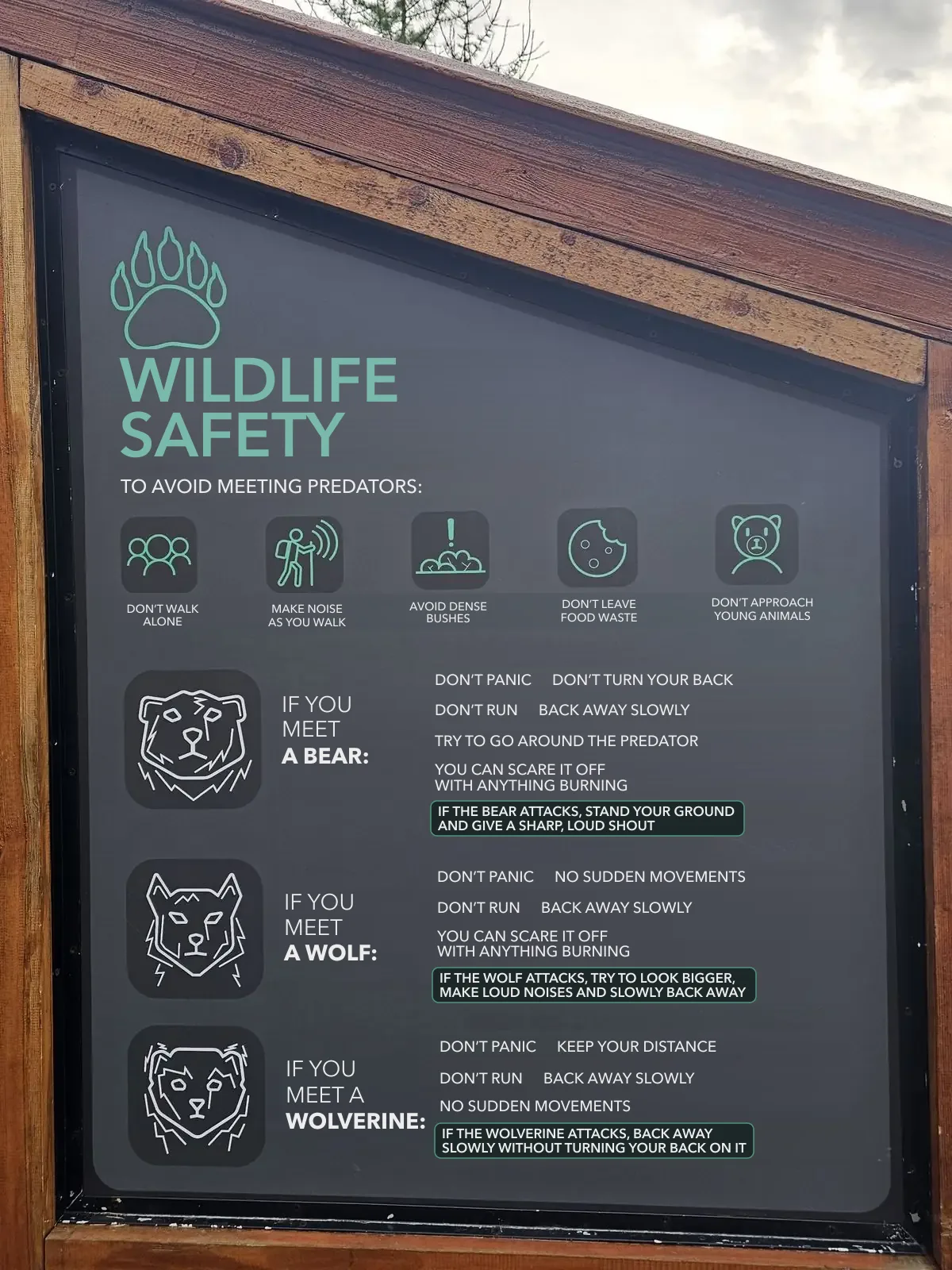
After a while I came to an information board. It said clearly: don’t go alone, and what to do if you meet a bear, a wolf or a wolverine 💀 I had a self-defence alarm with me: loud, but not a professional bear deterrent. I didn’t want to meet any animals at all. I turned around and called a taxi to a viewpoint. There’s a good view of the forest from there.
The taxi driver who took me to the viewpoint turned out to be a kind soul. He told me Talnakh is his home town and that he loves it “despite the ugly panel blocks” and can’t imagine living anywhere else: there’s both nature and people here. He used to be very active, hiking, snowmobiling, fishing, and now he wants to calm down a little. Then I took another walk around the fifth micro-district. It stands on high ground, and the mountains are much closer from there.
What I think about Norilsk
It’s often called the most depressing city in Russia, but I don’t think so. Despite the harsh climate and industrial character, there’s life here, cultural life too, and it sits alongside the harsh realities.
Comments
I don’t ask for your email. I read every comment myself before it’s published.