How to preparefor a trip to the Putorana Plateau
What it costs, how to get there, where to stay, what to bring and what to be ready for: everything I figured out in eleven days in Taimyr.
Except for public figures, the names of people in this story have been changed for privacy.
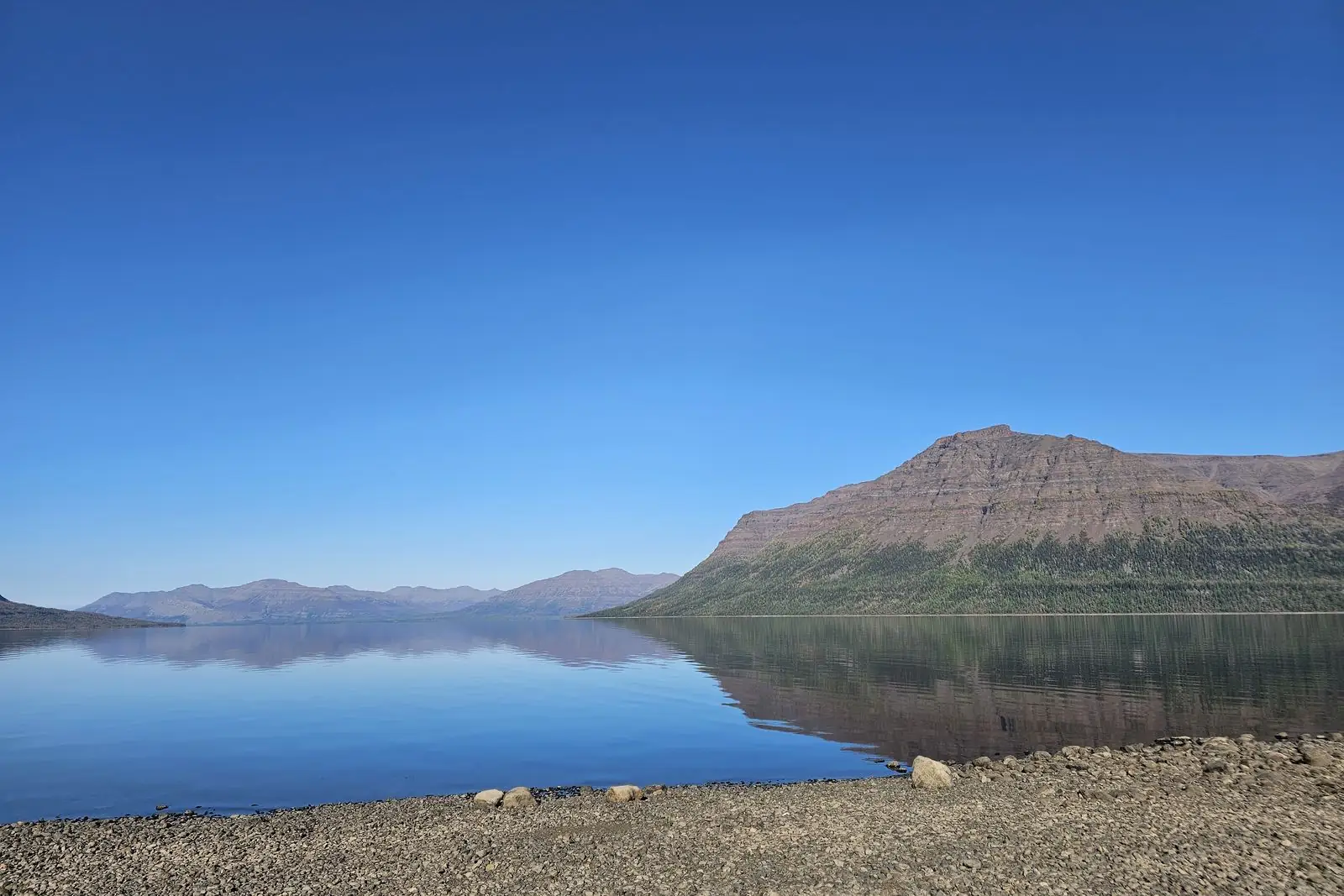
The Putorana Plateau is a mountain massif in the north of Krasnoyarsk Krai, in Taimyr, above the Arctic Circle. I went there in September 2026 on a photo tour: three nights in Norilsk and seven at the Bunisyak base in the middle of the plateau, with a new route with a guide every day. Here I’ve collected everything practical: from my own experience and from the organiser’s information sheet. The story of the trip itself is in the overview and the day-by-day chapters.
In short
How the trip works
The tour is a group one: according to the sheet, the classic group takes up to twenty people, while the photo tour has five at most. The group meets in Norilsk, travels to the base by hovercraft and lives there for seven nights. Every day is a hike: waterfalls, a canyon, mountains, the plateau. Then the return to Norilsk and a day in Dudinka.
There were two groups at the base: the photo tour and the classic one. The photo tour moves more slowly because participants take a lot of pictures, and it had a separate day of its own: to the Neralakh waterfall and Mount Festivalnaya. I think the photo tour is worth it if you love photography or want to see more.
The tour is run by “Putorany Tur”, and I booked it through the travel club “Strannik”. You sign a contract, and then you can buy flights without worrying: departures are guaranteed.
Where you stay
- Norilsk, 3 nights: a hotel, twin rooms with their own facilities.
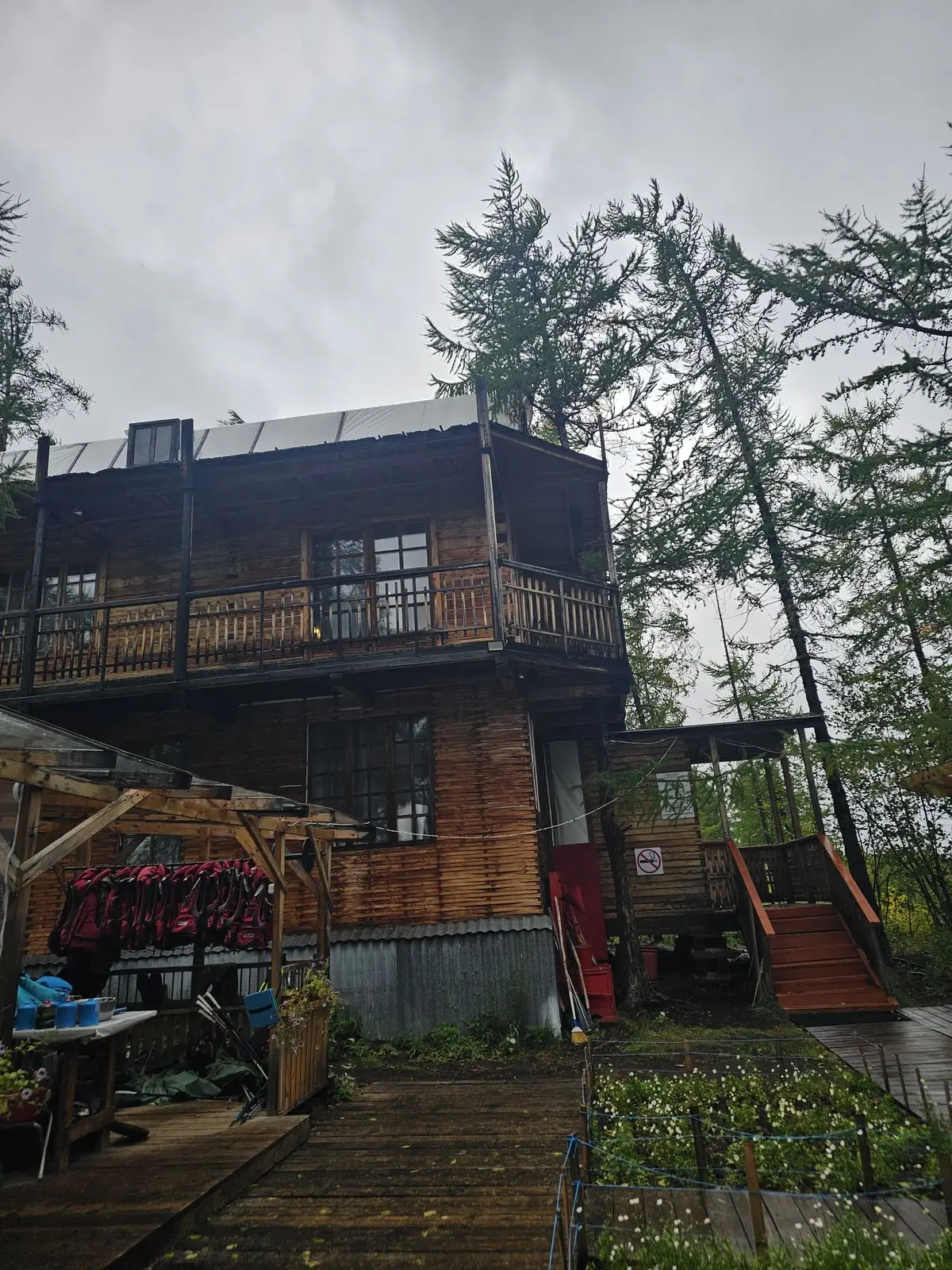
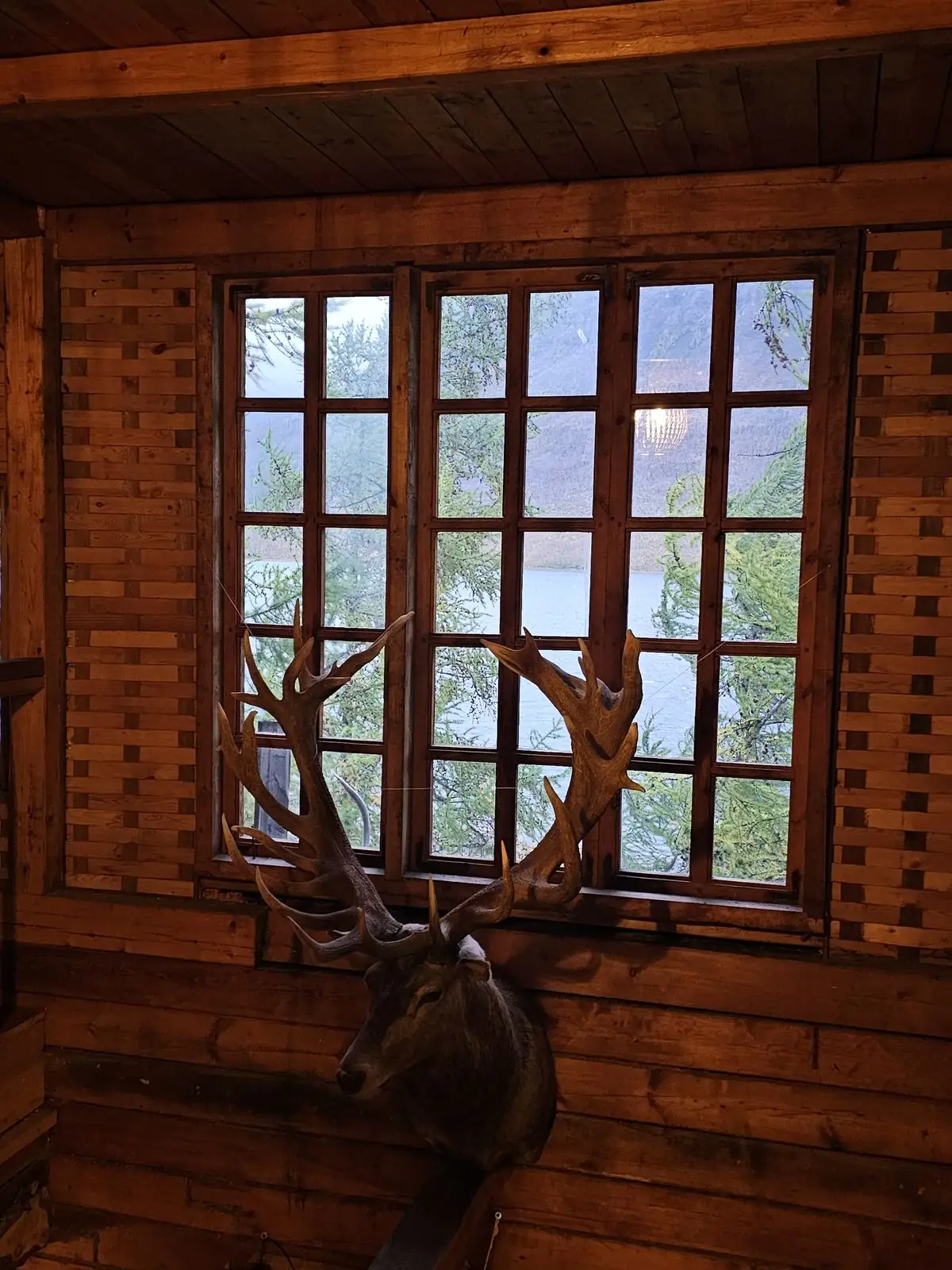
- The Bunisyak base, 7 nights: rooms for two or three, an outdoor toilet. There’s no shower, but there is a banya (Russian sauna): a couple of times during the trip it’s fired up properly, and on other days it’s warmed up so you can rinse off after a hike.
According to the sheet, if you travel alone they’ll try to find you a roommate in the group. If none is found, there’s a single-room supplement: 7,000 ₽ (≈ $90) in Norilsk and 21,000 ₽ (≈ $270) at the base. I was lucky: at the base we were all given separate rooms.
There’s no washing machine at the base: clothes are washed by hand in the banya and dried over the stove. Boots are dried there too after hikes.
What it costs
The tour cost 370,000 roubles (≈ $4,740), and flights about 50,000 (≈ $640) round trip. Prices as of July 2026, when I bought the tour.
What’s included: accommodation, group transfers, three meals a day at the base, from lunch on the second day to lunch on the ninth, and breakfasts at the hotel on the last two days. The rest of the time in Norilsk you eat on your own, in cafés.
What’s not included:
- food in Norilsk on the first days;
- the excursion to Dudinka: we booked it ourselves: 13,000 ₽ (≈ $170) per car for three people (September 2026);
- equipment, if you don’t have your own.
Extra charges at the base are rare. But if, for example, you want to take the photo tour to a separate location, that can cost about 40,000 ₽ (≈ $510) for a boat.
In Norilsk you can pay by card almost everywhere, and there are plenty of ATMs. I never needed cash. But that’s with a Russian bank card: cards issued abroad don’t work in Russia, so if you don’t have a Russian one, bring enough roubles in cash for the whole trip.
Getting there
You can’t reach Norilsk by land: there’s no railway or road to the “mainland”. Ferries run to Dudinka, but usually everyone flies to Alykel airport. From Moscow, S7 and NordStar fly there, about four hours in the air. There are flights from Krasnoyarsk, Novosibirsk and Yekaterinburg too.
If you’re not a Russian citizen, check this first: Norilsk is closed to foreigners without a special permit. The host organisation applies for it, the local FSB office decides, and it can be refused. You’ll also need a Russian visa unless your passport is visa-free for Russia: check the rules for your country. So raise all this with the organiser before you pay for anything. There are ways to reach the plateau from the other side, without going through Norilsk, but few operators run those trips.
Mind the time difference: Norilsk (UTC+7) is four hours ahead of Moscow. The group is met at the airport in the morning, before 9 a.m. local time, so people fly out of Moscow the evening before. If you arrive later, you get to the city yourself.
I arrived a day early, in case something went wrong with the flight, and I strongly advise the same. Yandex Taxi (Russia’s main taxi app) doesn’t work from the airport, though it works in the city, but at a desk in the airport they sell bus tickets for 1,300 roubles (≈ $17), and the bus takes everyone right to their door. Those who arrive early are picked up by the group in the city on the way from the airport.
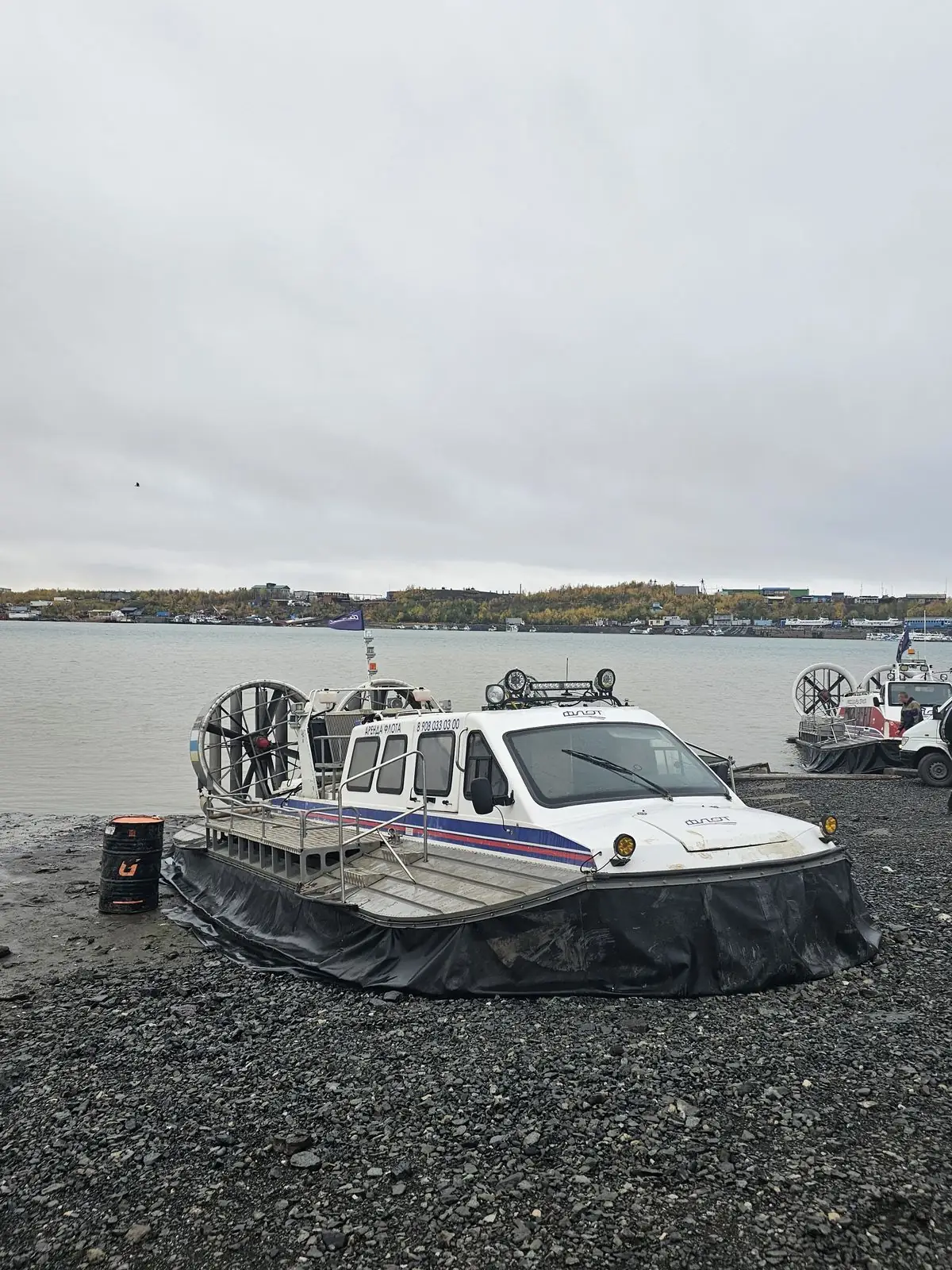
From Norilsk to the base it’s by hovercraft: an ordinary boat would run aground on the river, while a hovercraft crosses the shallows. On the way there we travelled seven hours with three stops, and on the way back four and a half.
Take a return flight for the first half of the day: on the last day the group is taken to the airport in the morning, and the drive takes about 50 minutes. The airport is small, and there’s nowhere to have a proper breakfast.
When to go
The season on the plateau is short: from early July, when the ice melts on the lakes, to mid-September, before the mountains are dusted with fresh snow.
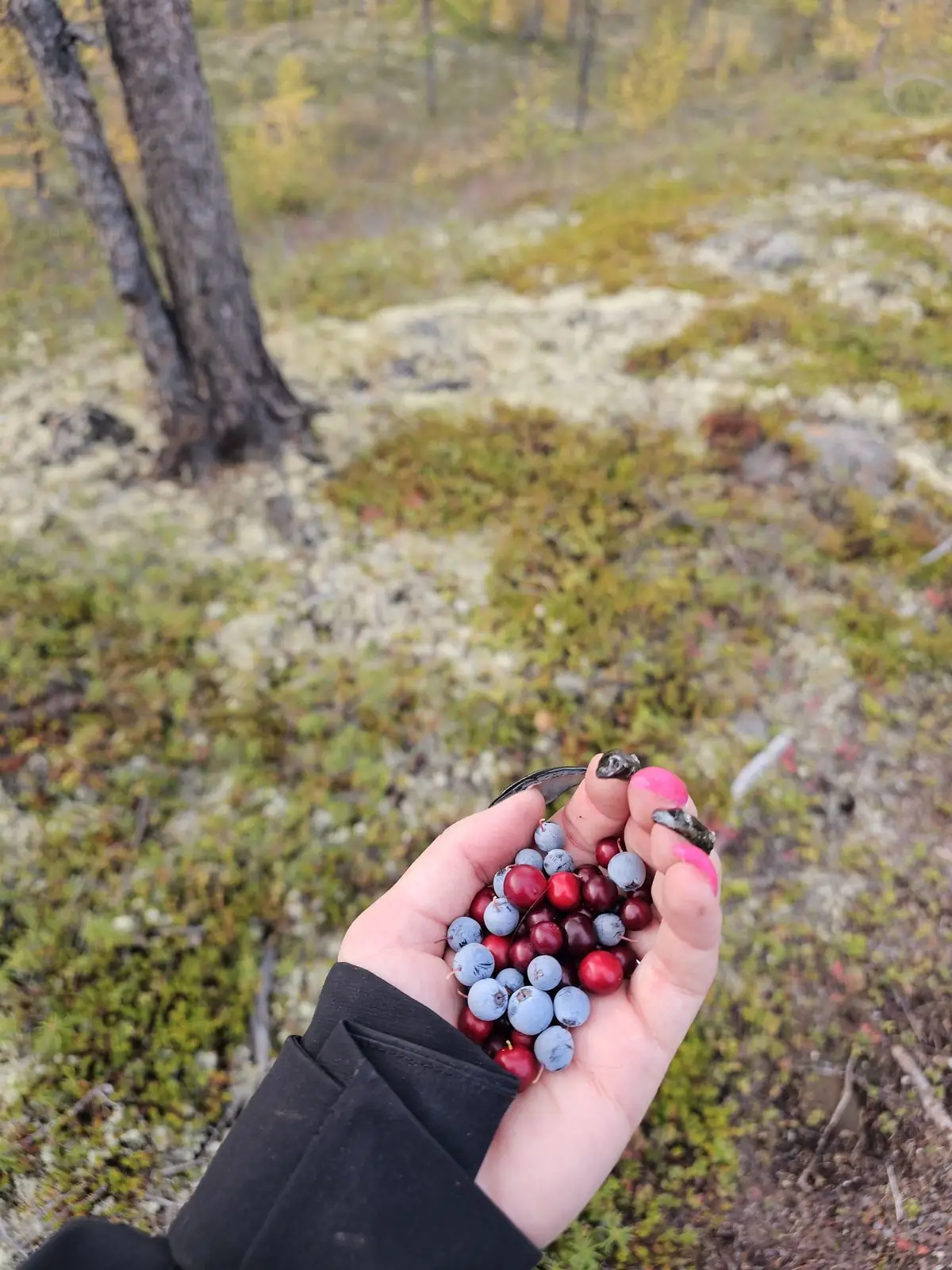
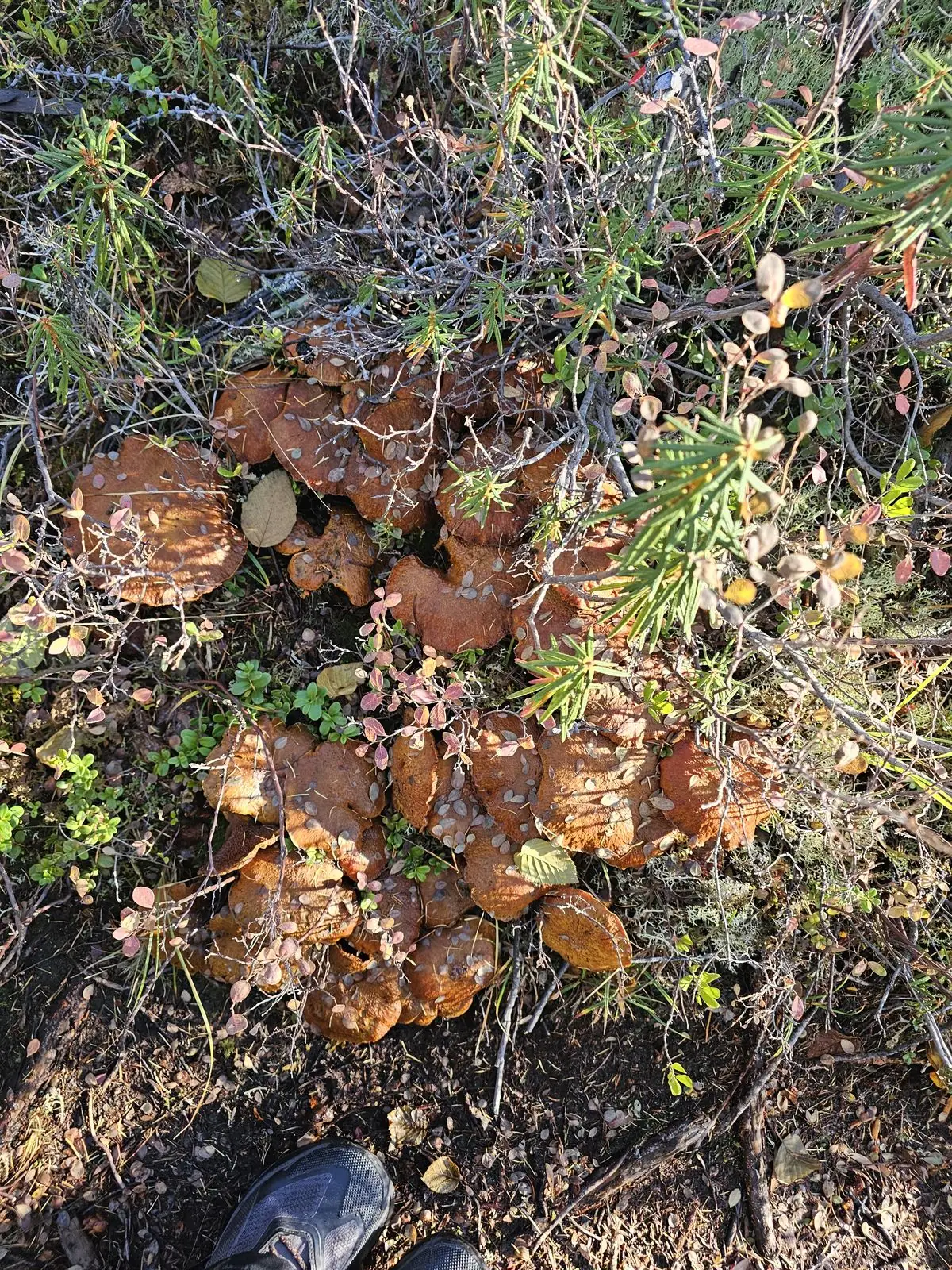
I went in September and caught berries, mushrooms and northern lights almost every night. In the daytime it could be hot on the climbs and cold on the boat. At night it was usually 6–10 degrees, and on the coldest night down to zero. One day we walked in the rain.
According to the sheet, in July and August there are a great many mosquitoes on the plateau, and in August and September, midges. There are no encephalitis ticks there. If you’re allergic to bites, bring antihistamines and repellents. We had almost no midges in September.
Arrive a day early
There’s plenty to see in Norilsk. In two days I managed the museum, Golgotha, a café with Arctic coffee, Leninsky Prospekt and a trip to Talnakh. More in the chapter about Norilsk.
A few observations so you don’t repeat my mistakes:
- many places open closer to lunchtime; plan your walk accordingly;
- the art gallery is closed on Mondays;
- for the art residency you need to arrange a visit in advance, otherwise it will be closed;
- the bus to Dudinka runs once a day; if you want to go on your own, check the timetable in advance;
- it’s better not to go out of town alone: the signs say outright what to do if you meet a bear, a wolf or a wolverine.
Signal and internet
In Norilsk there is mobile internet, but a SIM from another Russian region can be very slow. Because of the region’s remoteness, tariffs here are higher: if you buy a local SIM, the internet works fast: that’s what you pay for. And on a tariff from elsewhere in Russia, the speed is throttled. I’m with MTS, a Russian operator, and the internet worked very, very slowly.
I didn’t want to buy a local SIM, so I switched on an international eSIM: a gigabyte cost about $1 (September 2026). That’s the only way my internet worked fast. If you’re coming from abroad, an international eSIM is the easiest option for you too.
At the base and on the trails there’s no mobile signal. The internet disappears about twenty minutes after the hovercraft leaves the landing stage and reappears only when you return. The guides have a satellite phone for emergencies. Warn your family and colleagues.
Electricity at the base comes from a generator, there are sockets, and you can charge your devices. The only thing you can’t use is a hairdryer: that’s the base’s rule. I brought a power strip: there aren’t enough sockets for everything, especially if you have a camera, a drone and a couple of power banks.
I thought it would be hard without the internet, but it turned out to be the best part of the trip. Without the flow of messages, time slows down. Back in Norilsk I didn’t even turn my mobile data back on right away.
How hard it is
The routes are very different. My reference points:
- Khoisi: the most exhausting day, nine hours through bog and mud, in rubber boots, partly in the rain;
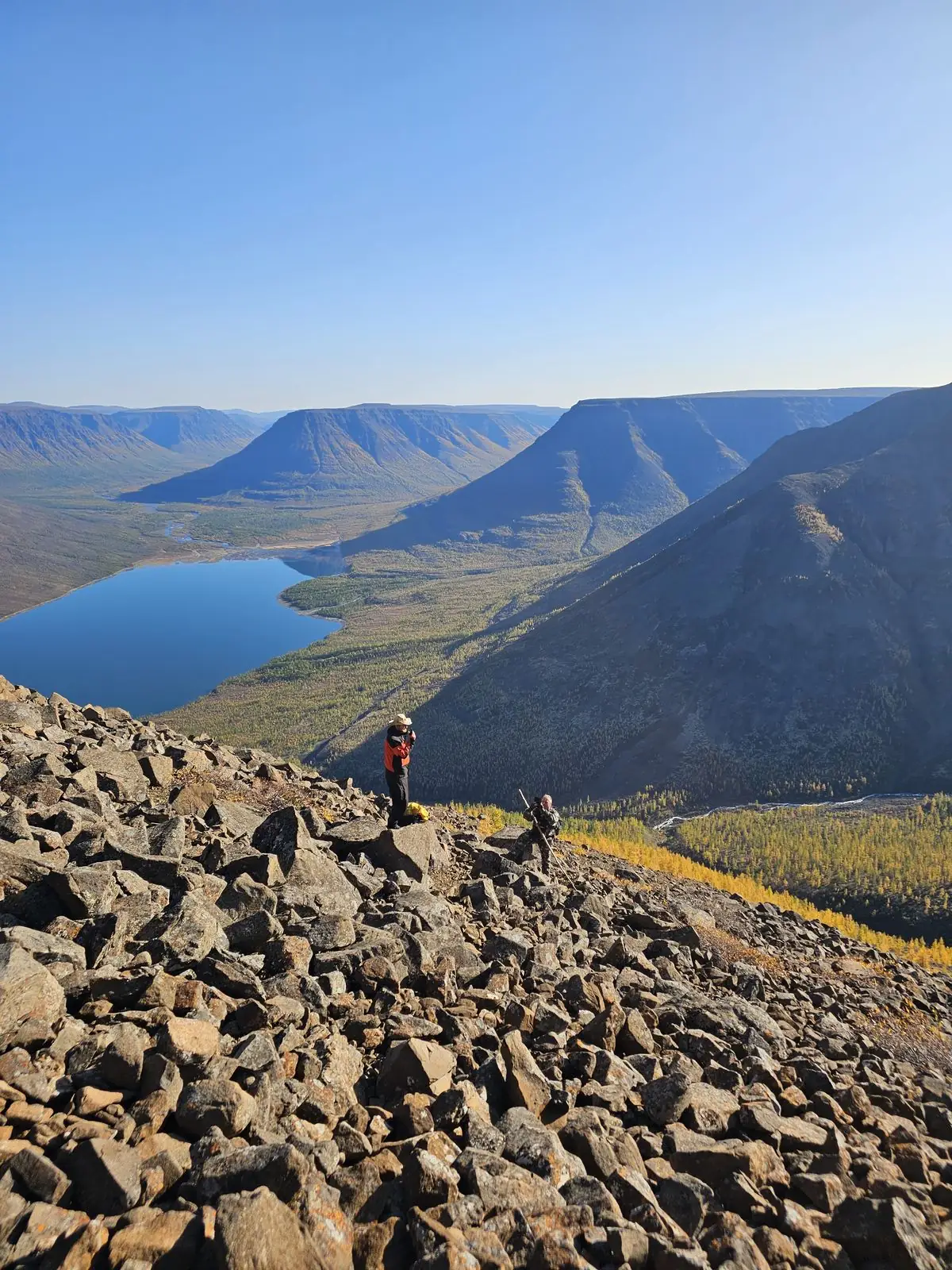
- The plateau: a climb of 1,000 metres, three and a half hours up over earth, moss and boulder fields, two hours down;
- Festivalnaya: much easier than the plateau, the climb comes in layers;
- The waterfalls: light, a bit of a climb but not for long.
If someone falls behind, the group splits and everyone goes at their own pace. But basic stamina will definitely come in handy, especially your breathing on the boulder fields.
On the “Strannik” website the tour is described as suitable for everyone. But if you tire quickly, aren’t in shape right now or have physical limitations, be ready to give up some locations.
What to bring
The full list is in the “What to pack” sheet on the trip page. The main things from my experience:
- a warm jacket: before the trip I decided layers would be enough, and on the evening boat I froze: Lena saved me by giving me her down jacket;
- a raincoat and a waterproof windbreaker: the weather changes fast;
- trekking poles: the organiser recommends them for the plateau, and I went without them the whole tour;
- rubber boots you don’t need to bring: they’re provided at the base. Bring only thin felt liners;
- a power strip and power banks: few sockets, power comes from a generator;
- a phone with a night-mode camera: for the northern lights, more in a separate story;
- your own tea and drip coffee: I brought mine, and my Korean ginseng tea even came in handy at the farewell evening.
Food
I’m vegetarian, and it could be arranged on the spot. There were two vegetarians in our group, and we were very comfortable, and well fed: potato pancakes, a cream soup of local mushrooms, fried potatoes with mushrooms and pickled cucumbers.
In Norilsk vegetables and greens are expensive, but the shop “Zhar-ptitsa” has plenty of northern products: venison in all forms, local delicacies. It’s also a handy place to buy edible souvenirs.
If you love fishing
You can fish at the base in your free time, and you don’t have to bring tackle. According to the sheet, renting a boat costs 2,200 ₽ (≈ $28) an hour, and a spinning rod 200 ₽ (≈ $2.60) an hour. I didn’t fish myself, so I can neither confirm nor deny it.
Comments
I don’t ask for your email. I read every comment myself before it’s published.