Langaand Woodstock
A tour of Cape Town's oldest township, the history of apartheid first-hand, and an artists' neighbourhood where you must not take your phone out.
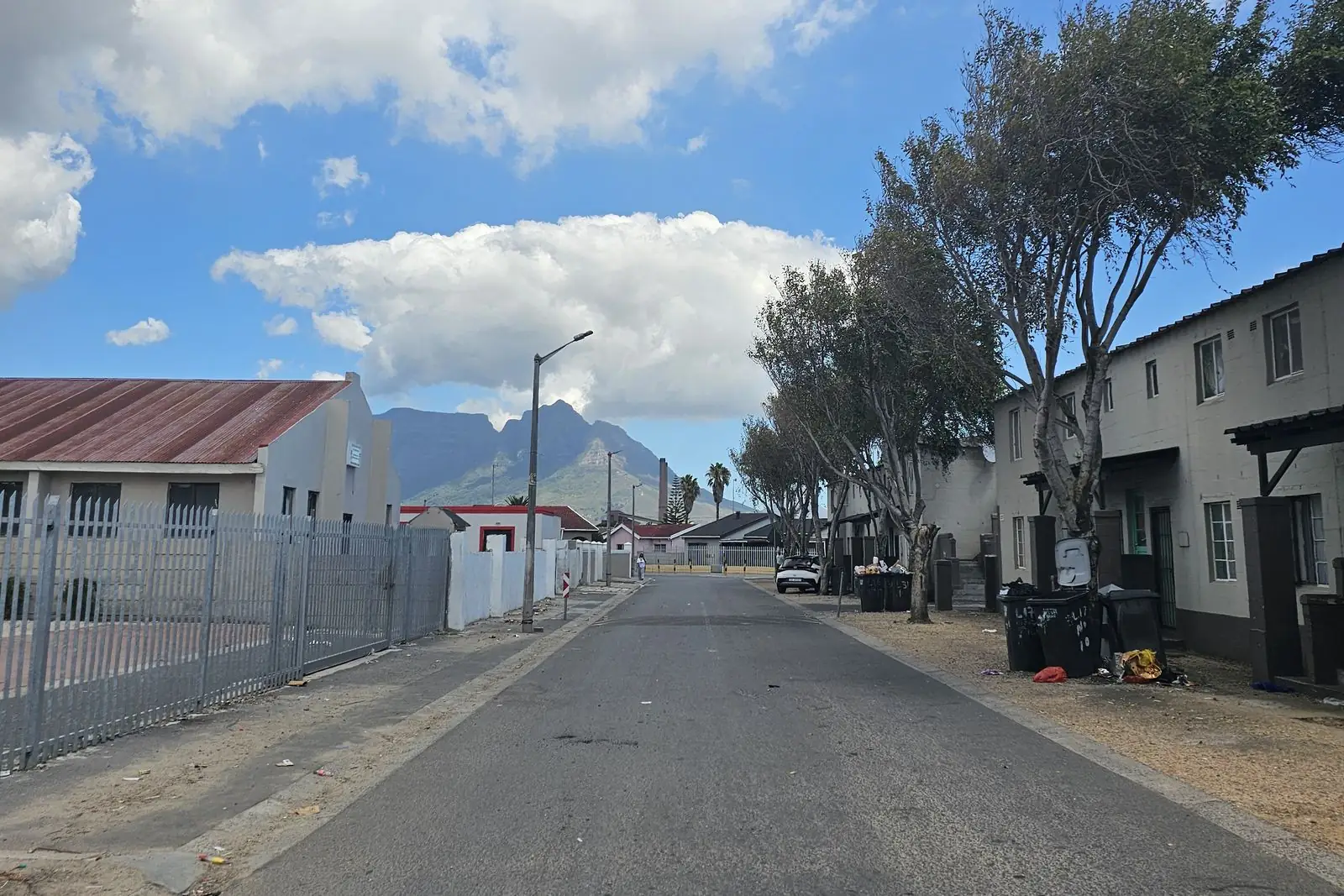
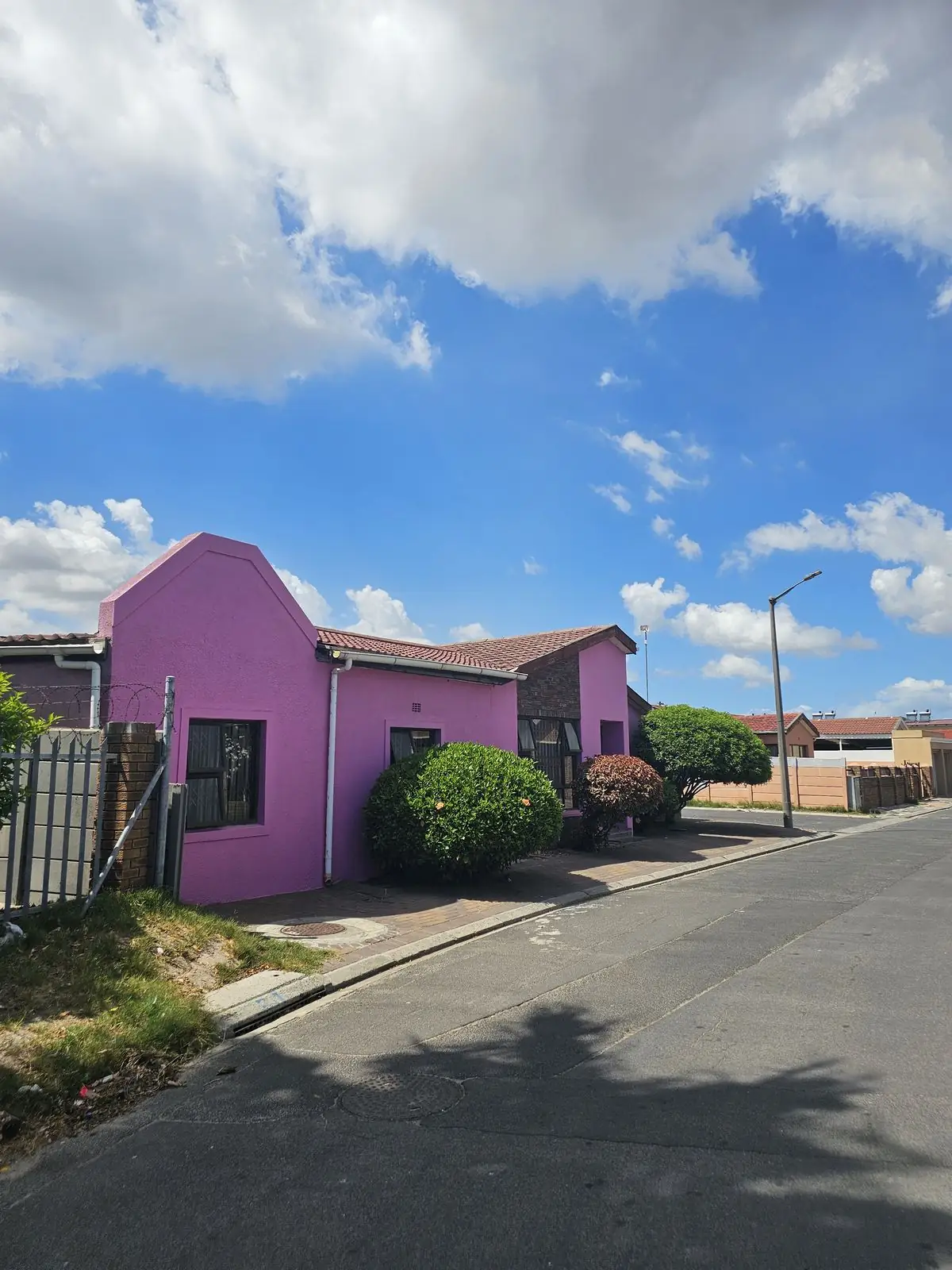
The third chapter of the South Africa trip. For me this was one of the most important days of the trip: it showed me a Cape Town completely different from Green Point and Sea Point.
A tour of Langa
Langa is a township, a neighbourhood where, in the era of segregation and then apartheid, the Black population was resettled from the city centre. It is Cape Town’s oldest township, officially established in 1927.
We took an ordinary English-language tour on GetYourGuide. We had signed up for a group tour, but it turned out we were the only ones. On the way, the driver asked whether we knew anything about Langa. We said we didn’t. He replied: “Just some things happen here.” And we realised we were heading somewhere interesting.
In Langa we were met by the wonderful Namhla, who lives here herself.
Where the townships came from
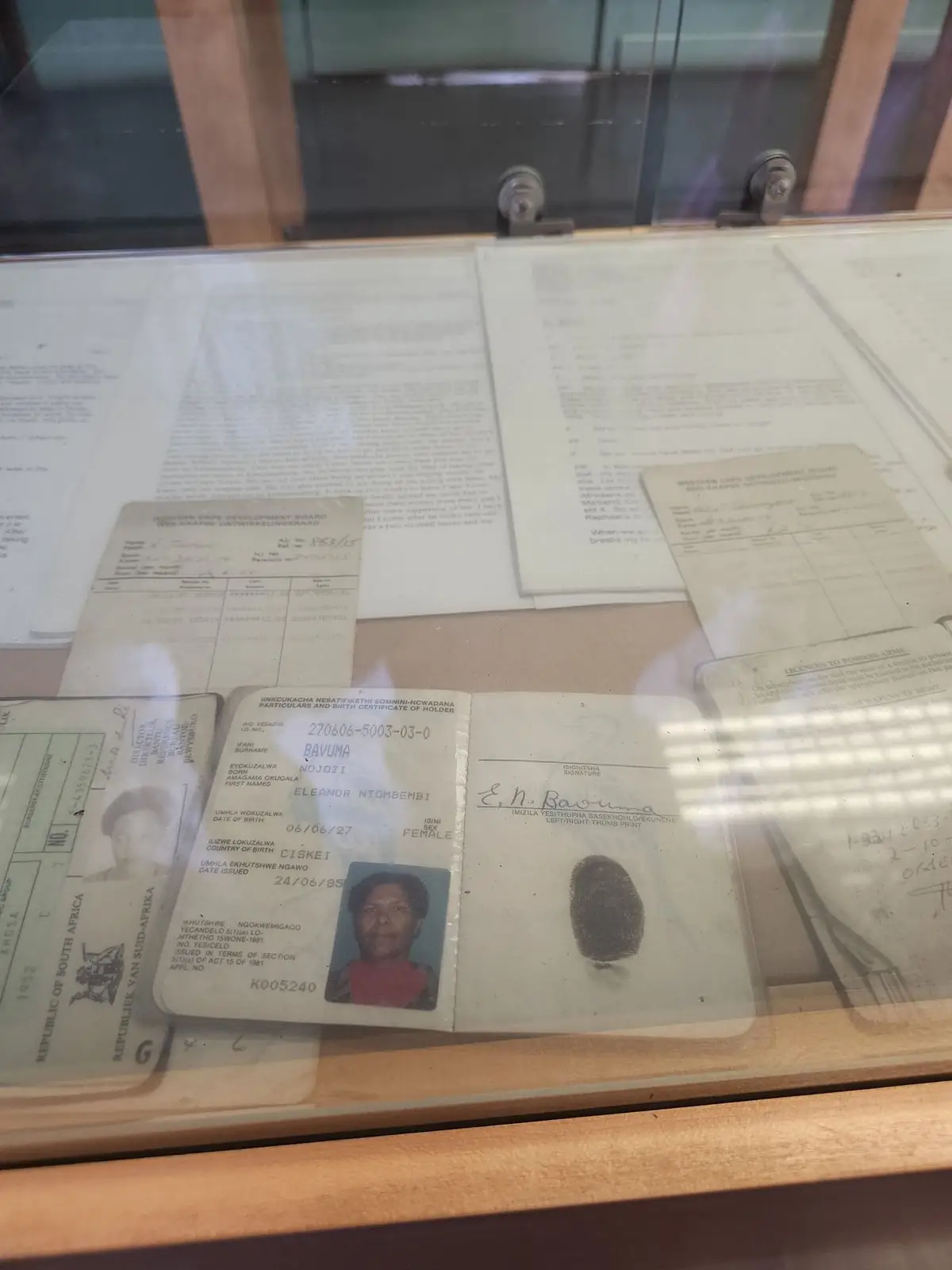
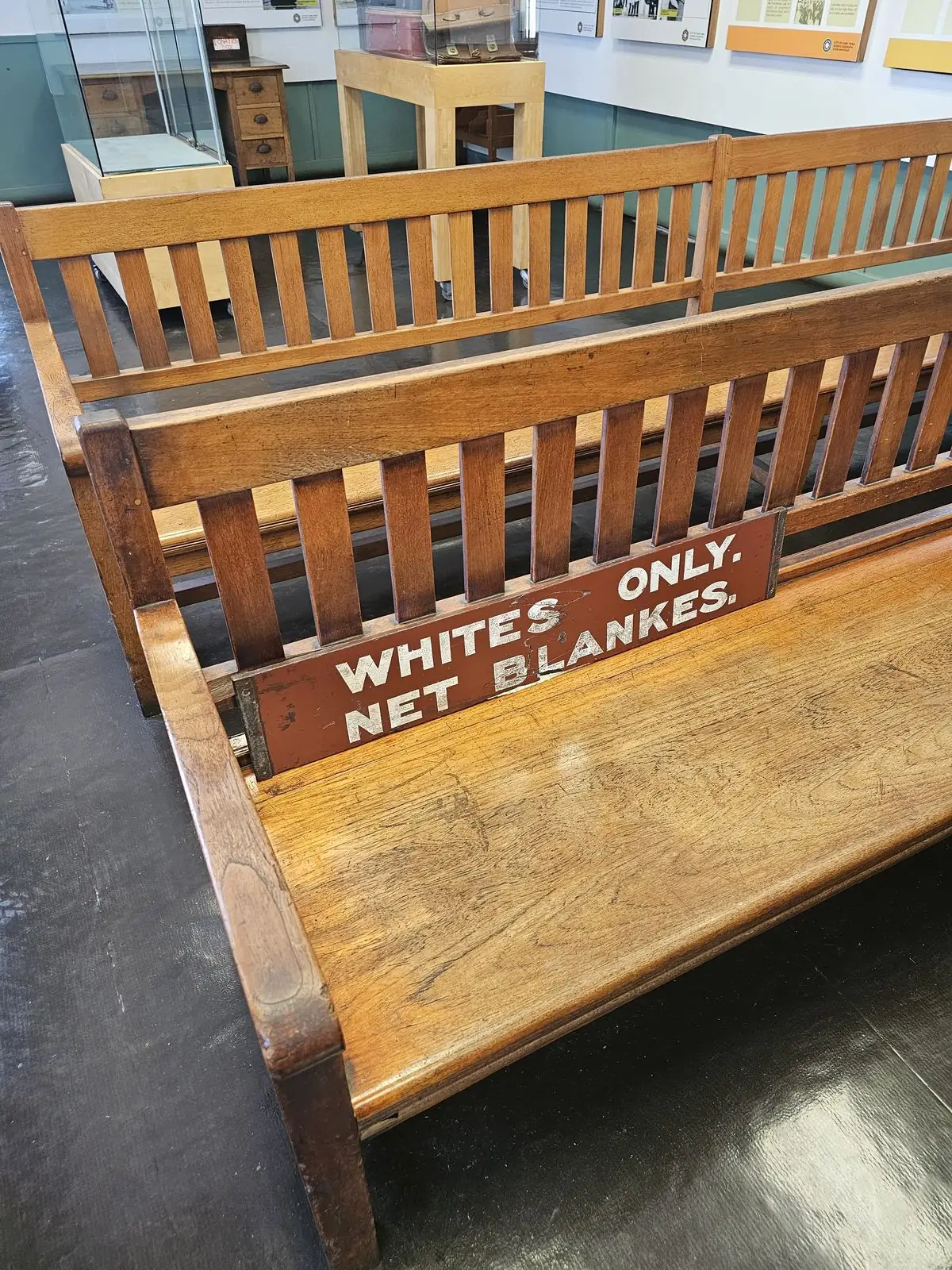
Namhla told us how the townships came about. It’s all directly tied to apartheid: South Africa’s policy of racial segregation. A minority ruled over the majority, and Black and “Coloured” people were oppressed by laws: there were a great many discriminatory laws.
People were moved out of the city centre into townships, and nobody really looked after them: the only concern was that the rules of apartheid were observed. They weren’t allowed on beaches or in many other places. To travel you needed a special document, and it only permitted you to go from point A to point B. Namhla also told us which problems grew out of all this, and how people lived.
Langa today
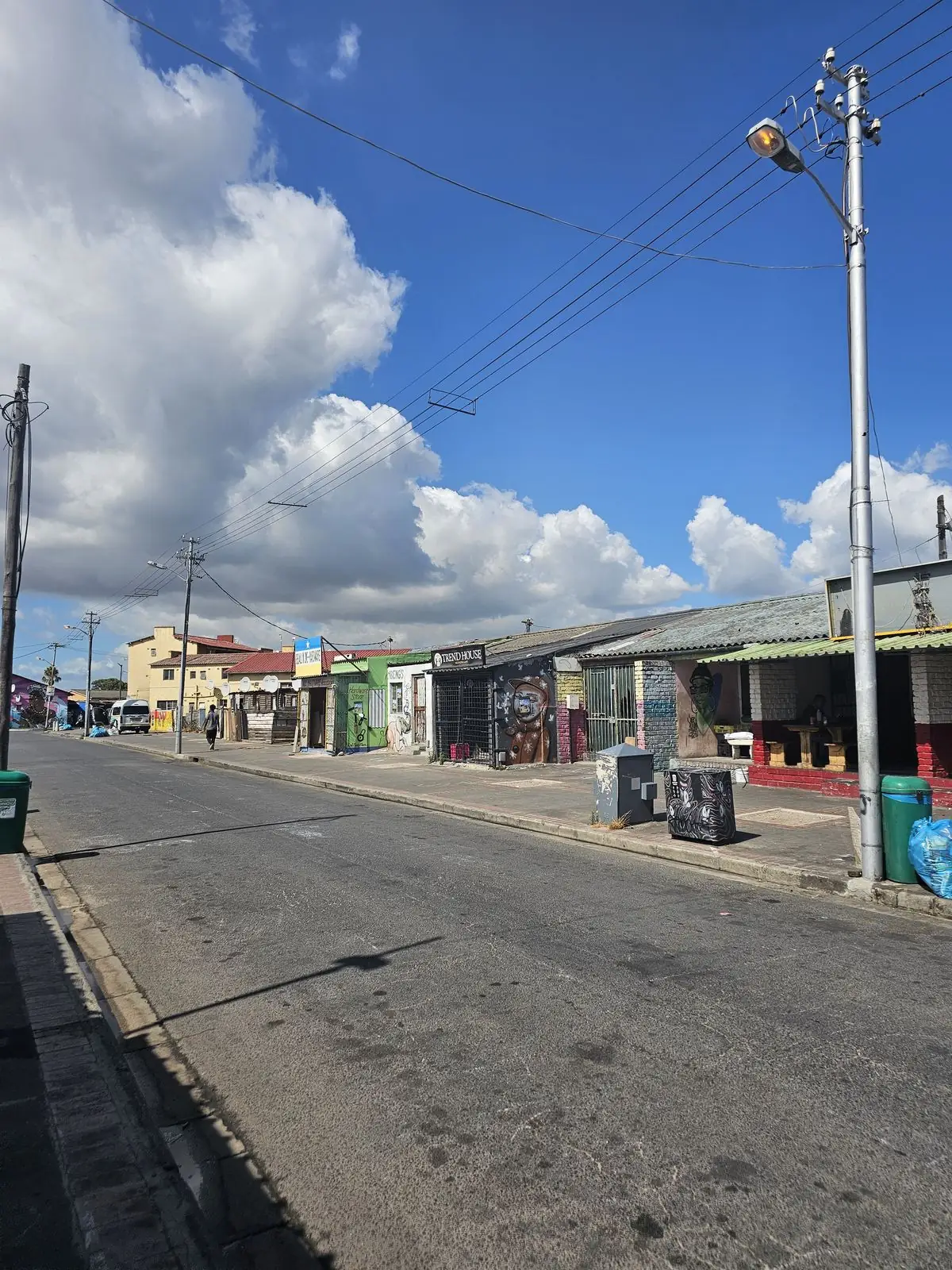
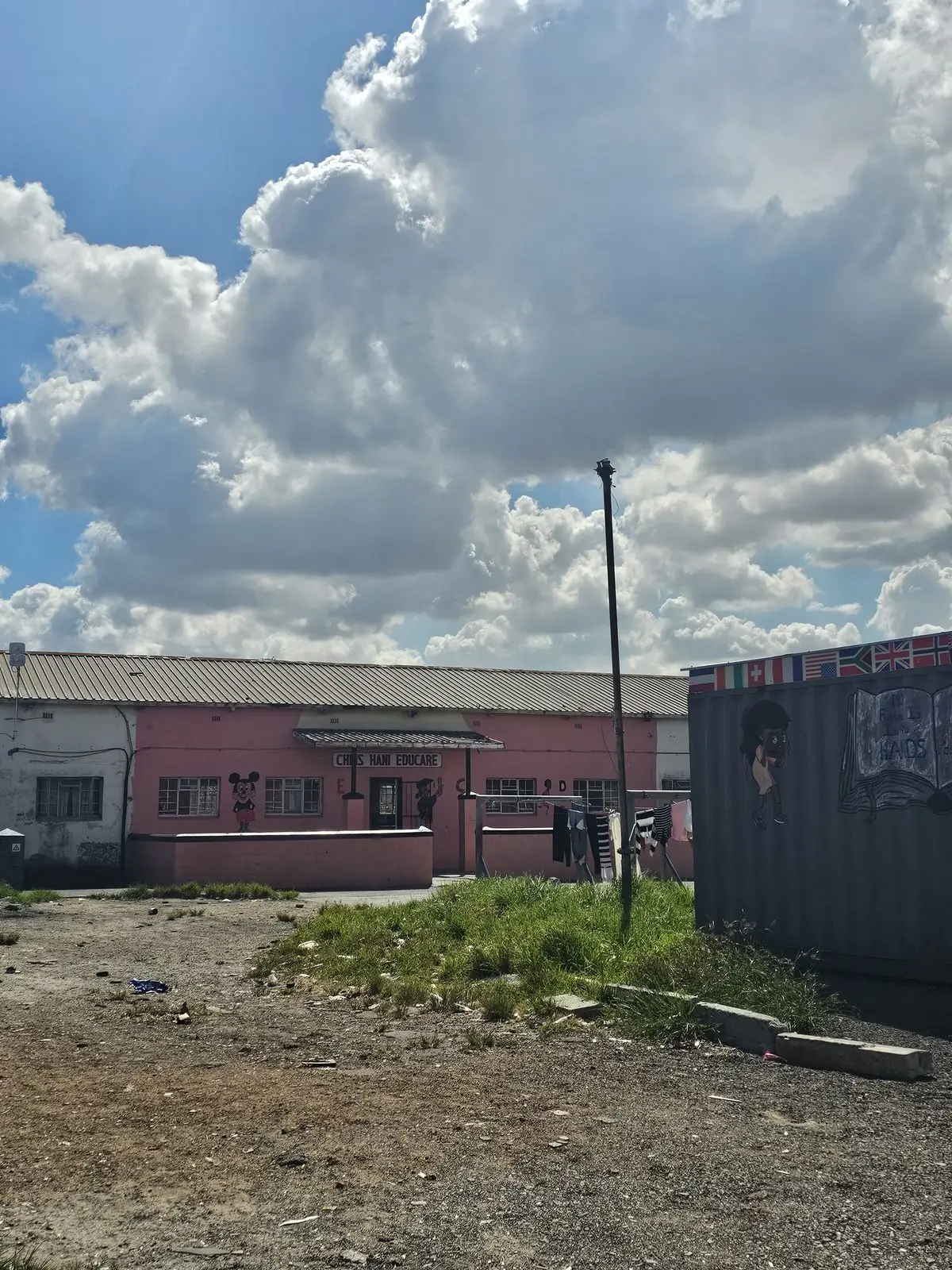
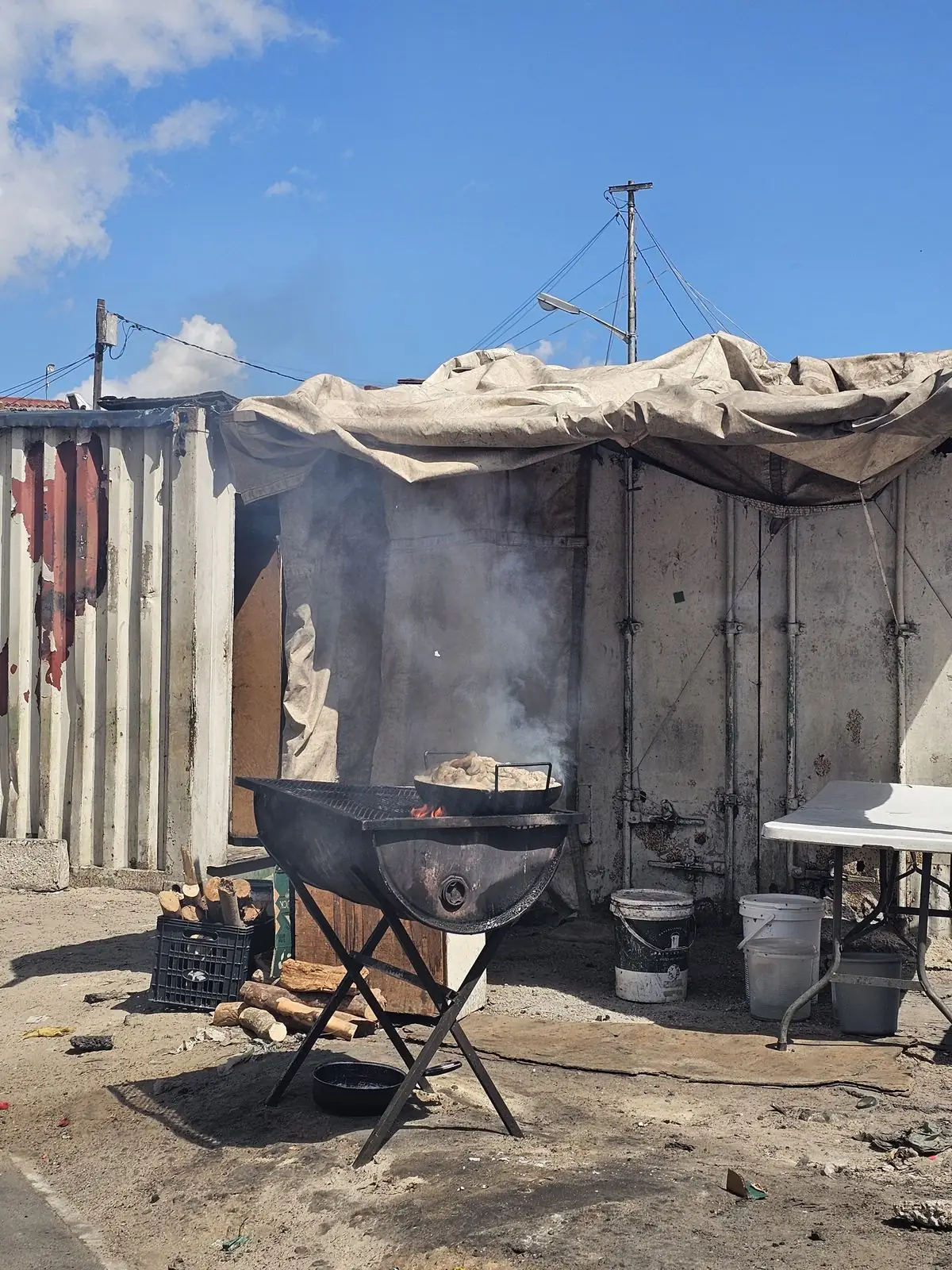
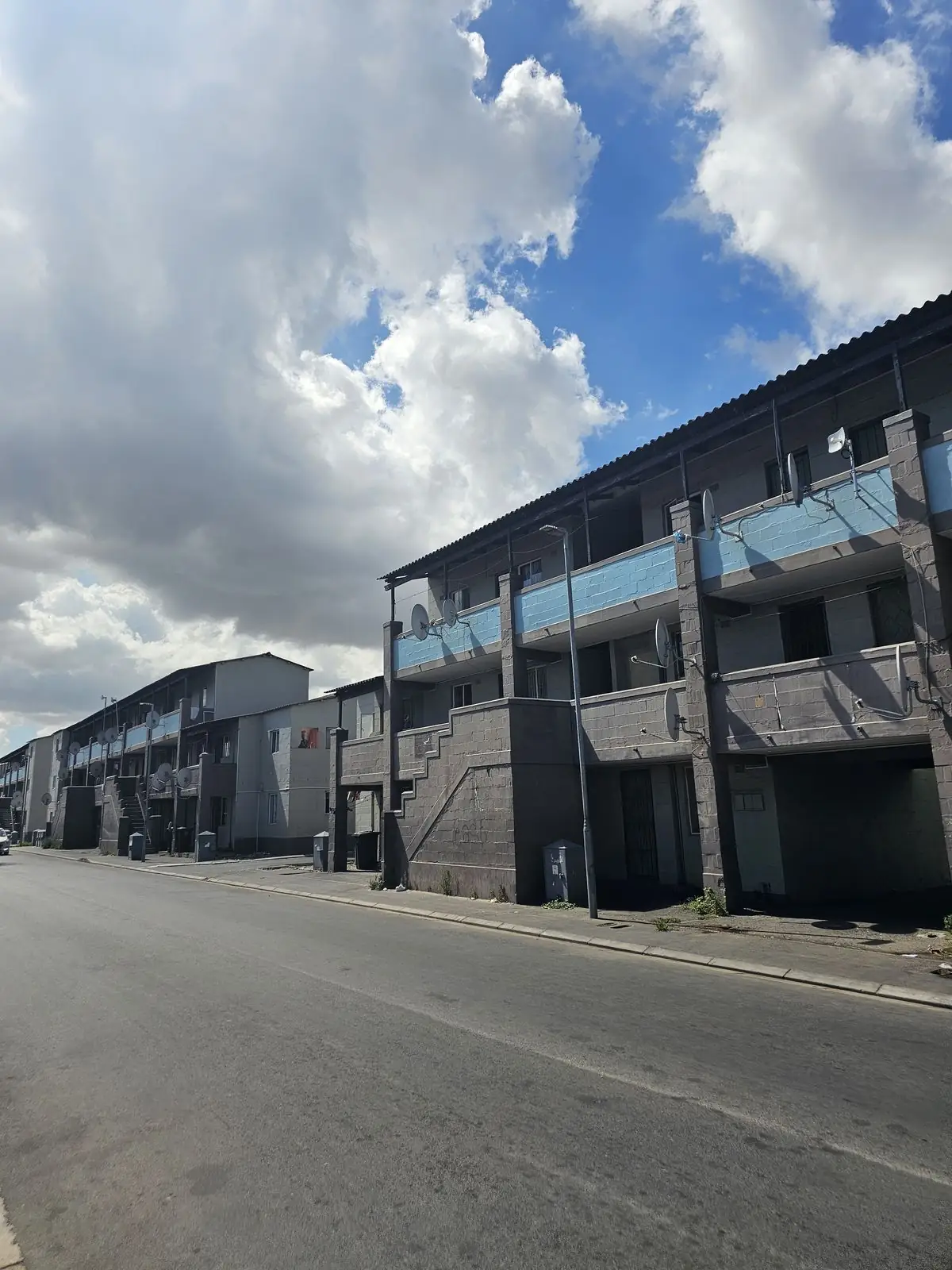
Langa has its own class system: lower, middle and upper class. We were shown how different families live. Namhla said there’s no hostility between them. On the contrary, the upper class is an example of what can be achieved: people are proud of it, and everyone talks to everyone. The community here is very strong, and people support one another.
Social housing exists, but there is a waiting list. People with the lowest incomes live in poor conditions and wait for housing to be allocated, and the allocation drags on.
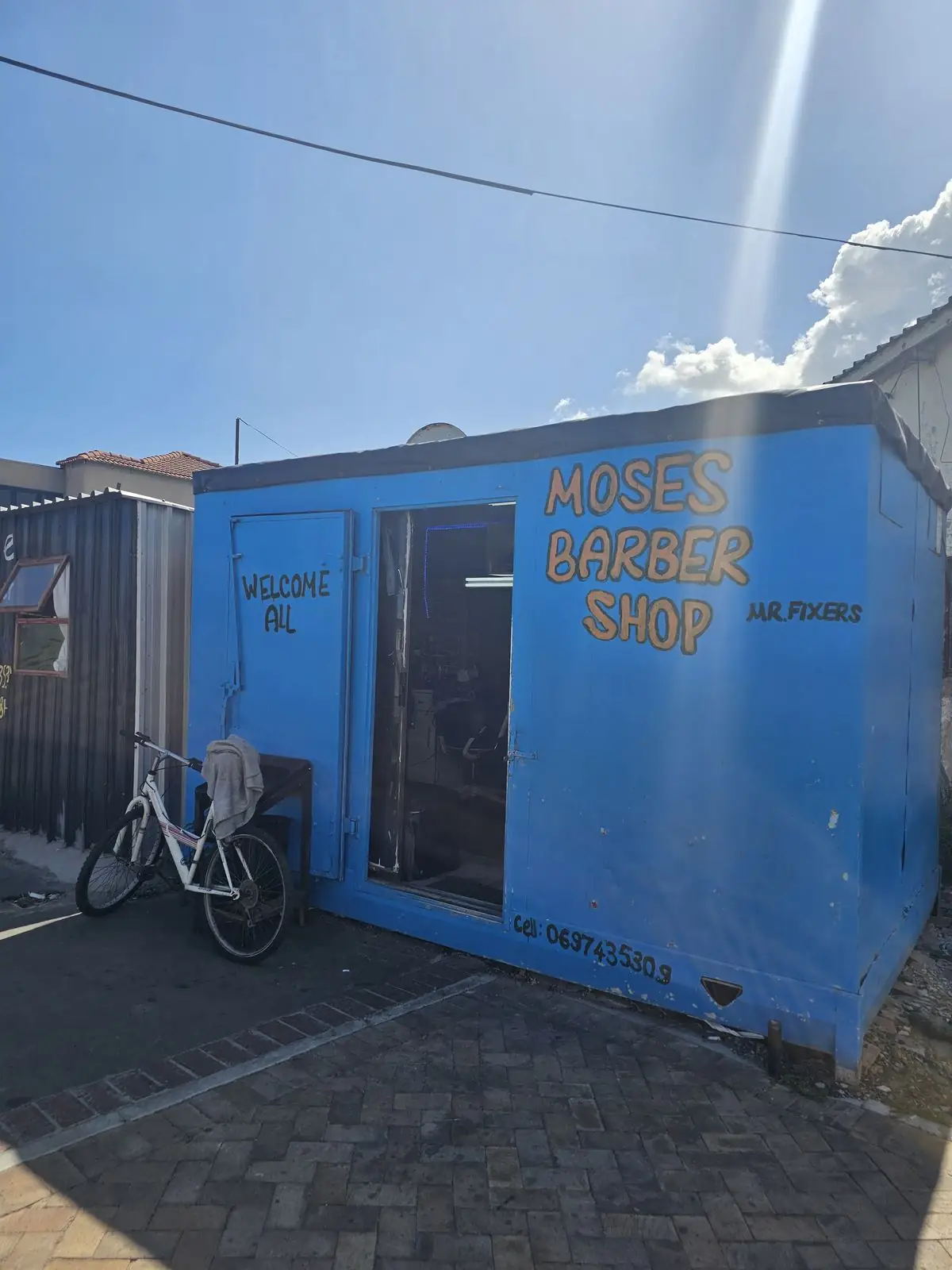
At the same time, Langa is developing. Residents lead tours themselves, open galleries and their own businesses. We visited a nursery, went to the local cultural centre and bought works by local artists.
This is a very useful tour. It shows the reality of South Africa, which can’t be compared with what you see in Green Point and Sea Point. It went wonderfully and easily, and at the end Namhla and I exchanged contacts.
Woodstock: how to walk here
After the tour we went to Woodstock. It’s an artists’ neighbourhood: murals, installations, creative spaces. Everyone had warned us it’s quite dangerous.
Namhla warned us too, and explained how to behave. White people in Cape Town don’t only live in Green Point: they live in Woodstock as well, some have their own projects here, some simply live here. We look like local white people, so the main thing is not to look like tourists:
- don’t take your phone out;
- don’t stop anywhere;
- walk forward confidently and don’t flinch;
- don’t gawk at the murals and installations, and absolutely don’t photograph them on the street.
Inside buildings, though, you can take photos. That’s what we did.
Woodstock Exchange, the brewery and the Old Biscuit Mill
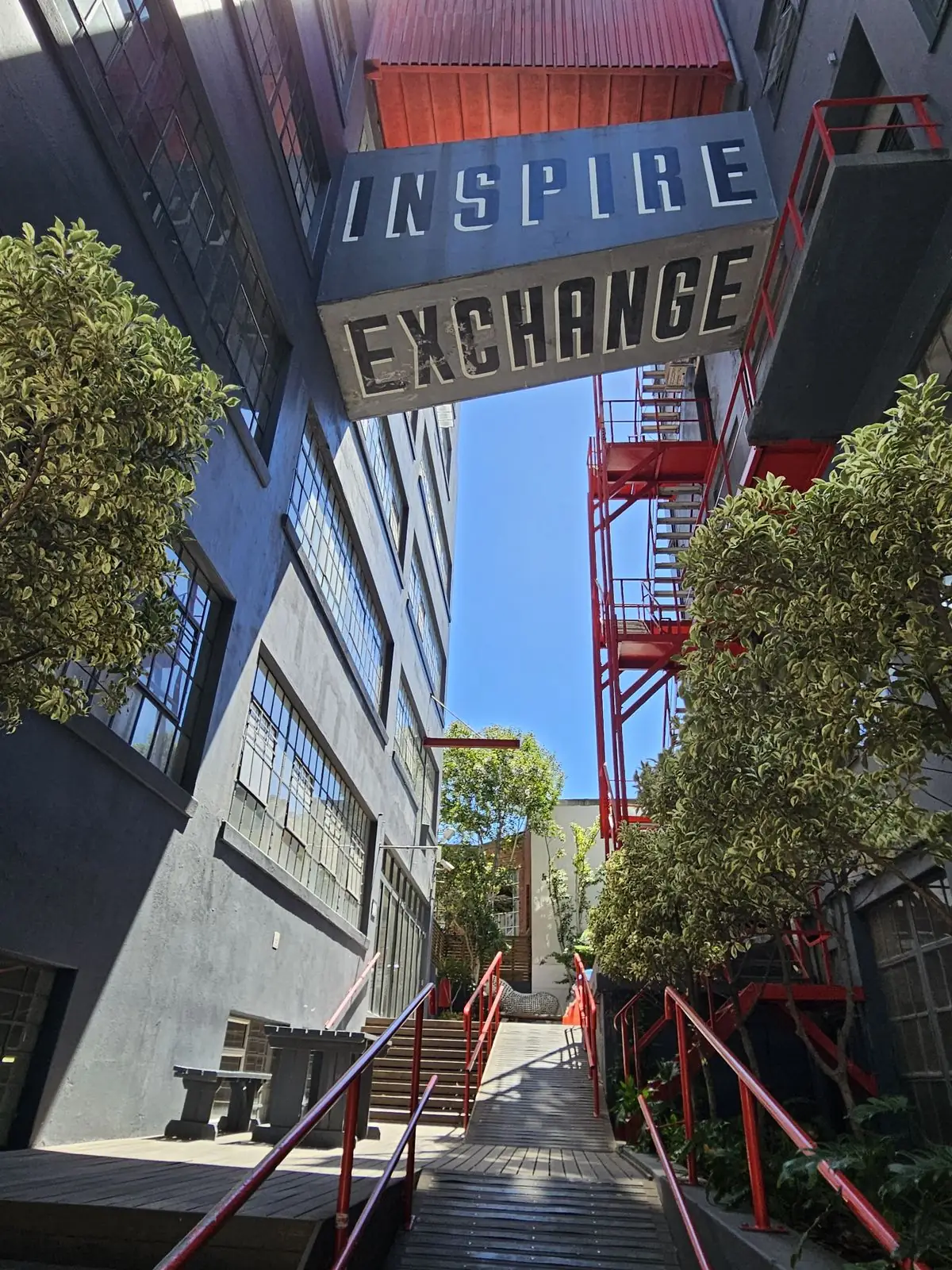
First we went to Woodstock Exchange, a creative hub with small businesses inside: printing, artists’ studios, clothes, sweets. We had a nice wander.
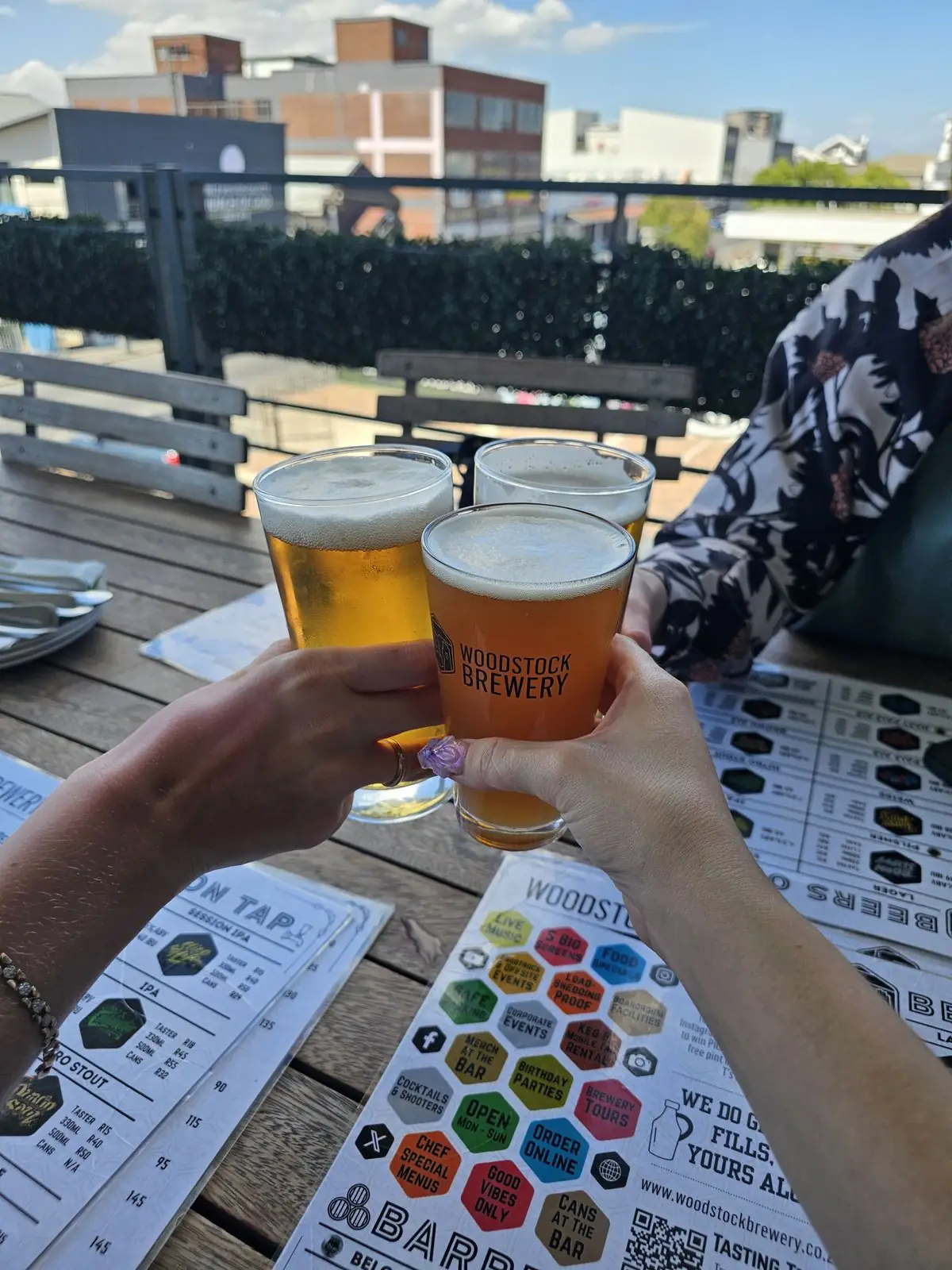
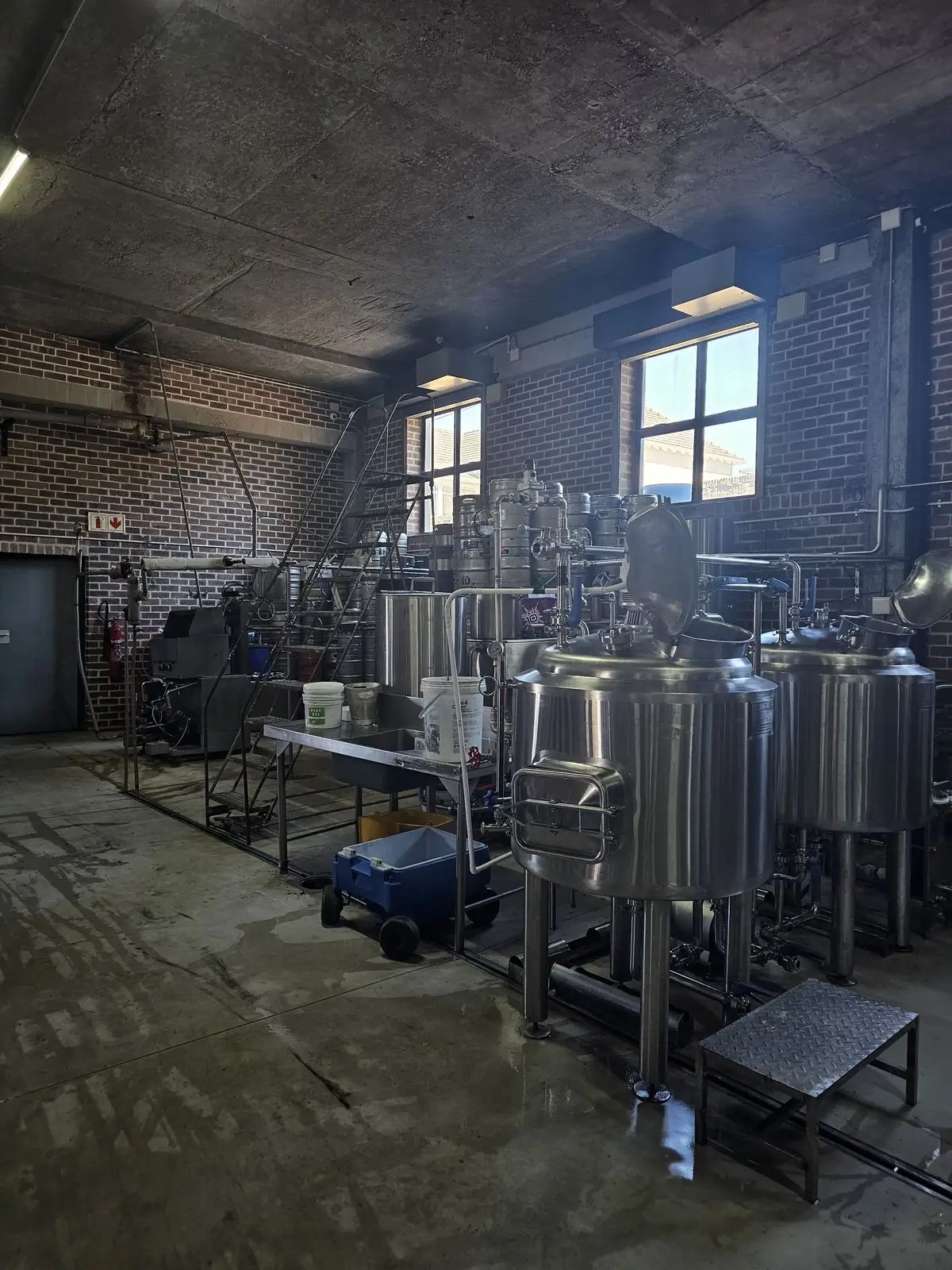
Then to Woodstock Brewery. We tried the beer and some very good jalapeño poppers. The brewery is right there, and you can have a look at it.
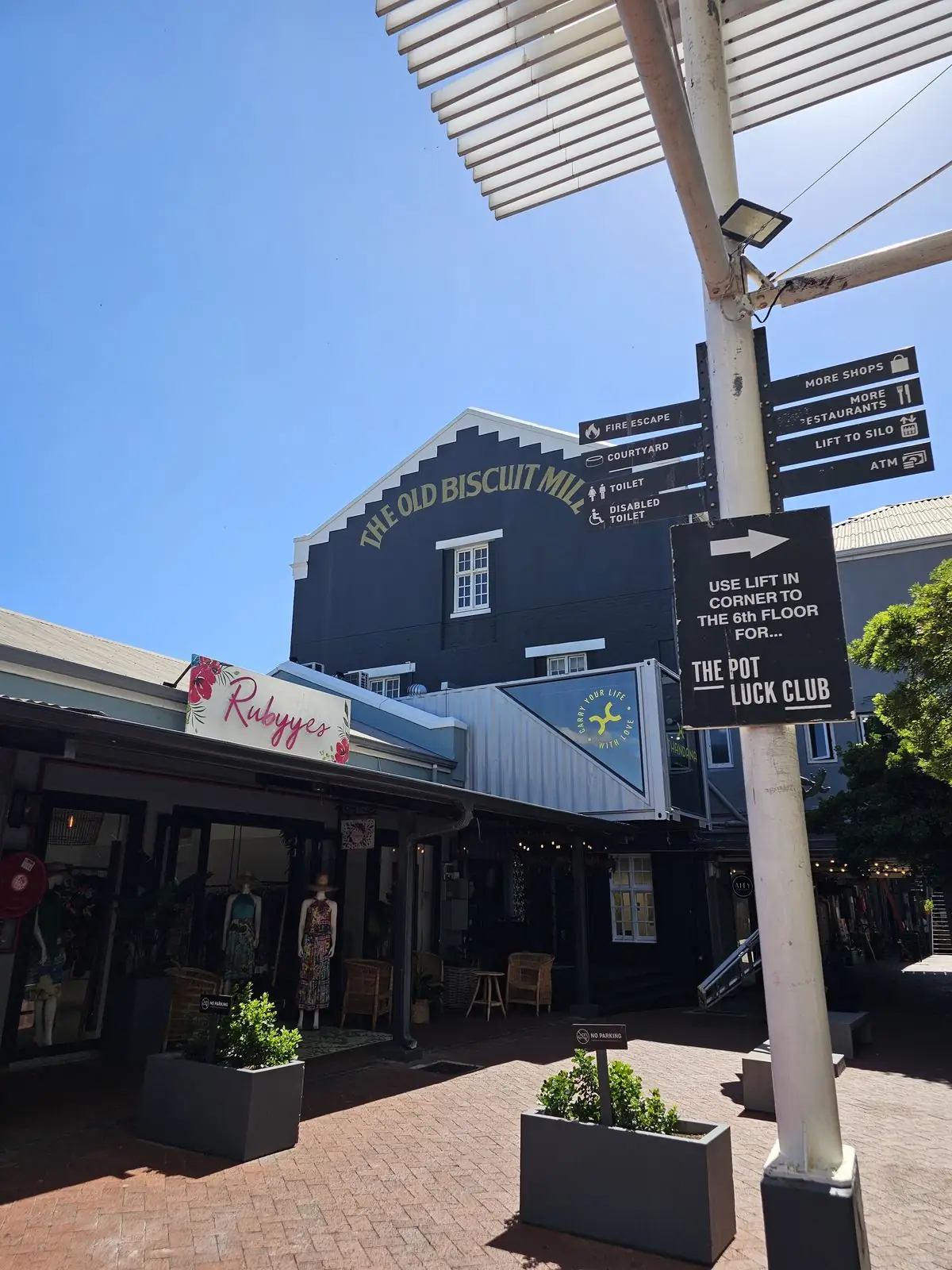
After that we dropped by The Old Biscuit Mill, another creative hub with little shops and restaurants. There was no festival that day, so we just chilled.
The Waterfront again
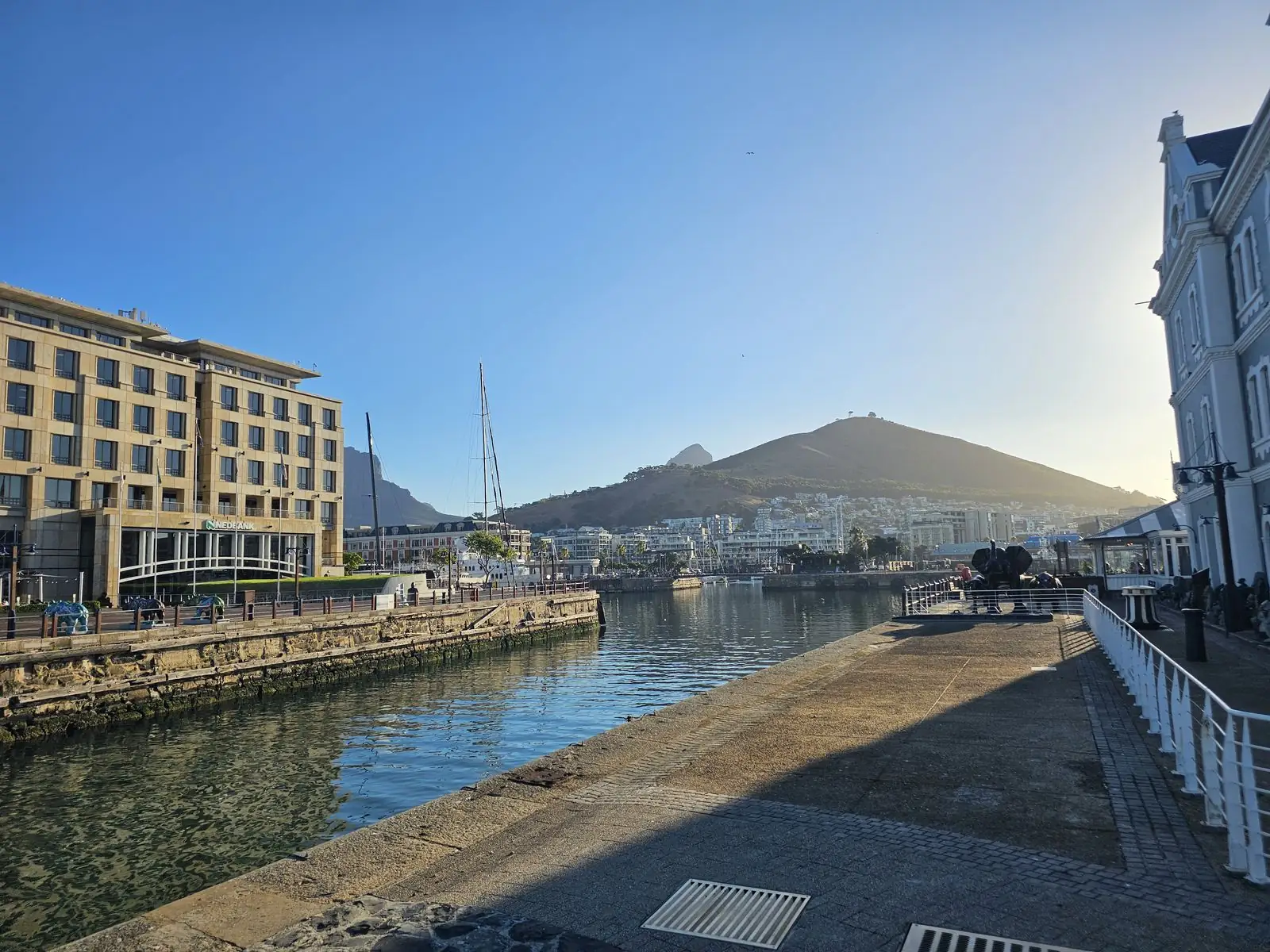
In the evening we went back to the Waterfront: we hadn’t managed everything last time. This time we walked it up and down and got as far as the Zeitz MOCAA museum of contemporary art, but didn’t go inside yet.
Comments
I don’t ask for your email. I read every comment myself before it’s published.