The peoples of Taimyrand what I learned about them
The house-museum of the white shaman, an idol that is fed butter, and mammoth tusks with the ornaments of five peoples. I'm not an ethnographer. I'm just telling what I saw and heard.
In September 2026 I went to the Putorana Plateau, in Taimyr. I came for the mountains and the northern lights, and unexpectedly learned a great deal about the people who have lived here for centuries. I’m not an ethnographer, and this isn’t research. It’s just what I saw and heard on the trip: at the base, in the mountains and in Dudinka.
Who lives here
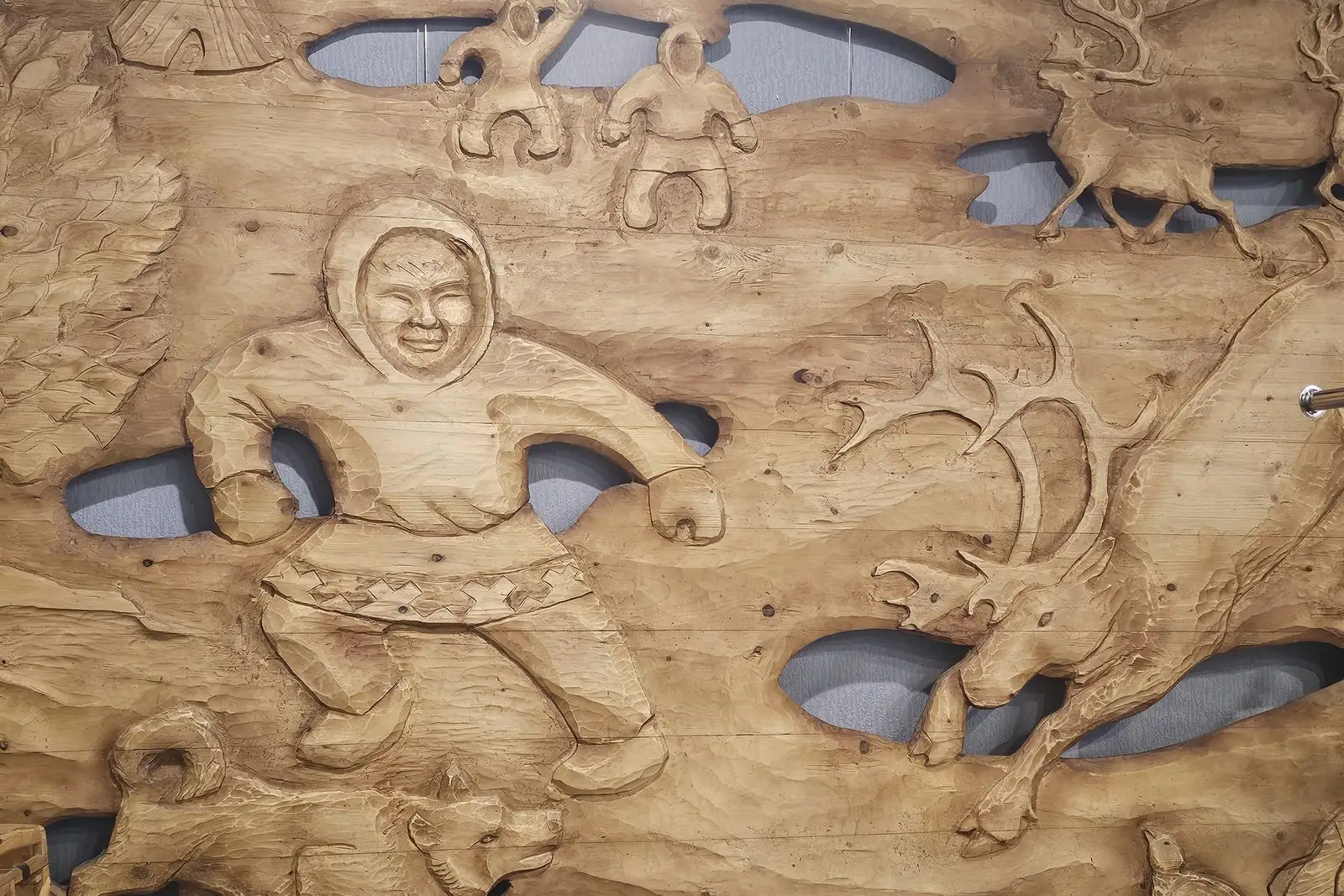
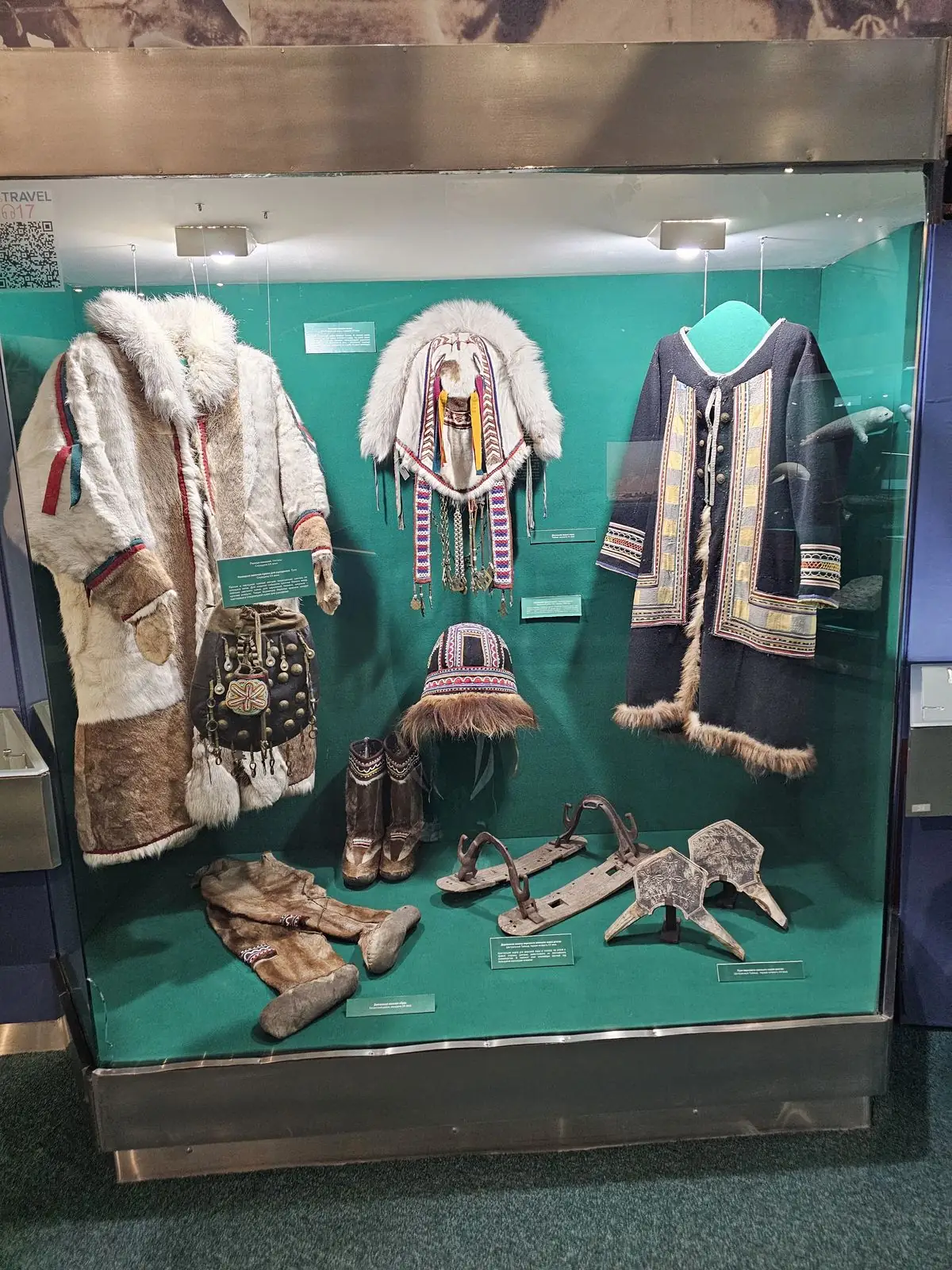
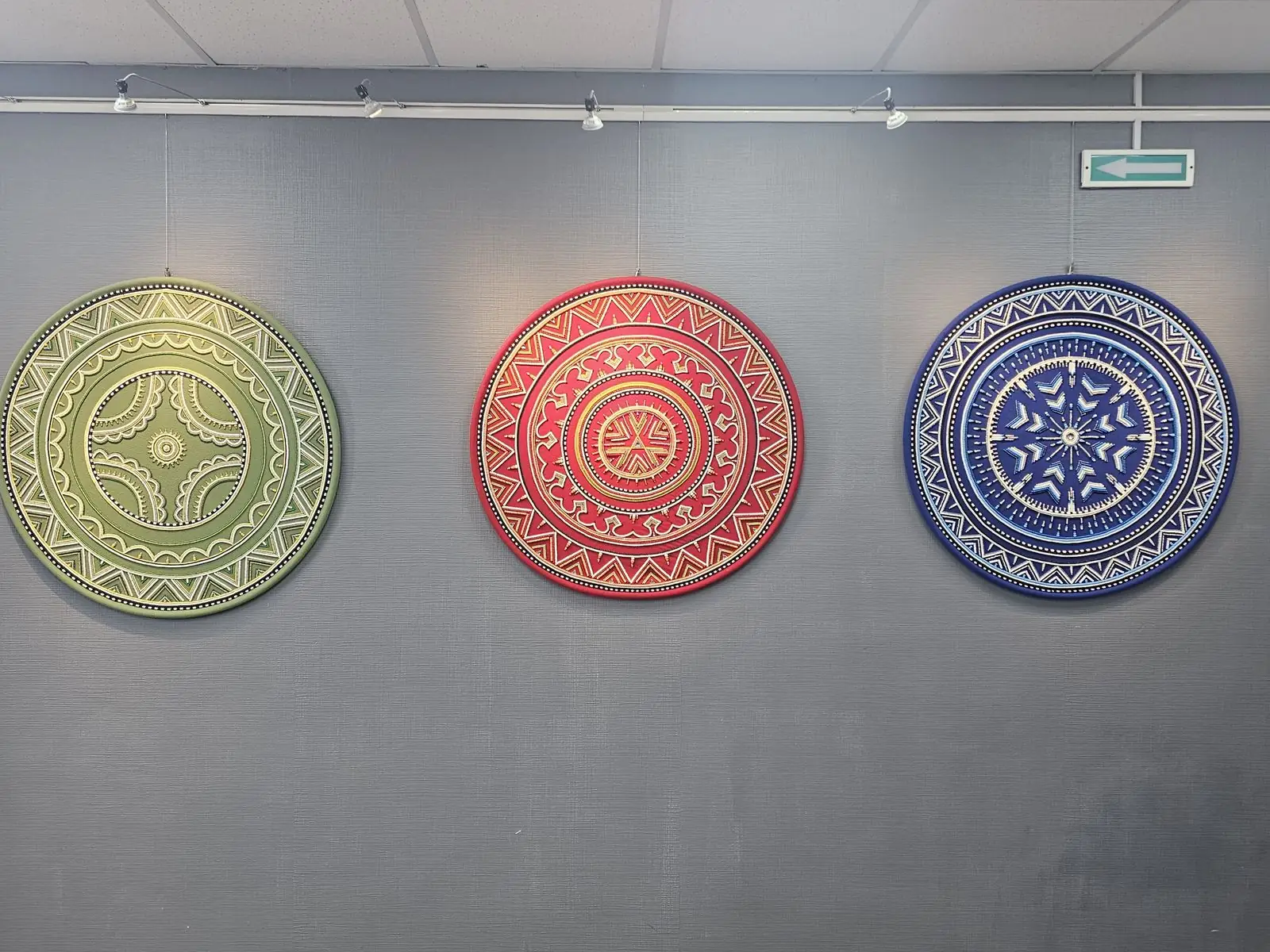
In Dudinka there is a large indigenous population: the Nganasan, Enets, Evenki, Dolgan and Nenets. Each people has its own colours and patterns. You then recognise them in clothing, jewellery and the works of local artists.
The Nganasan and the white shaman
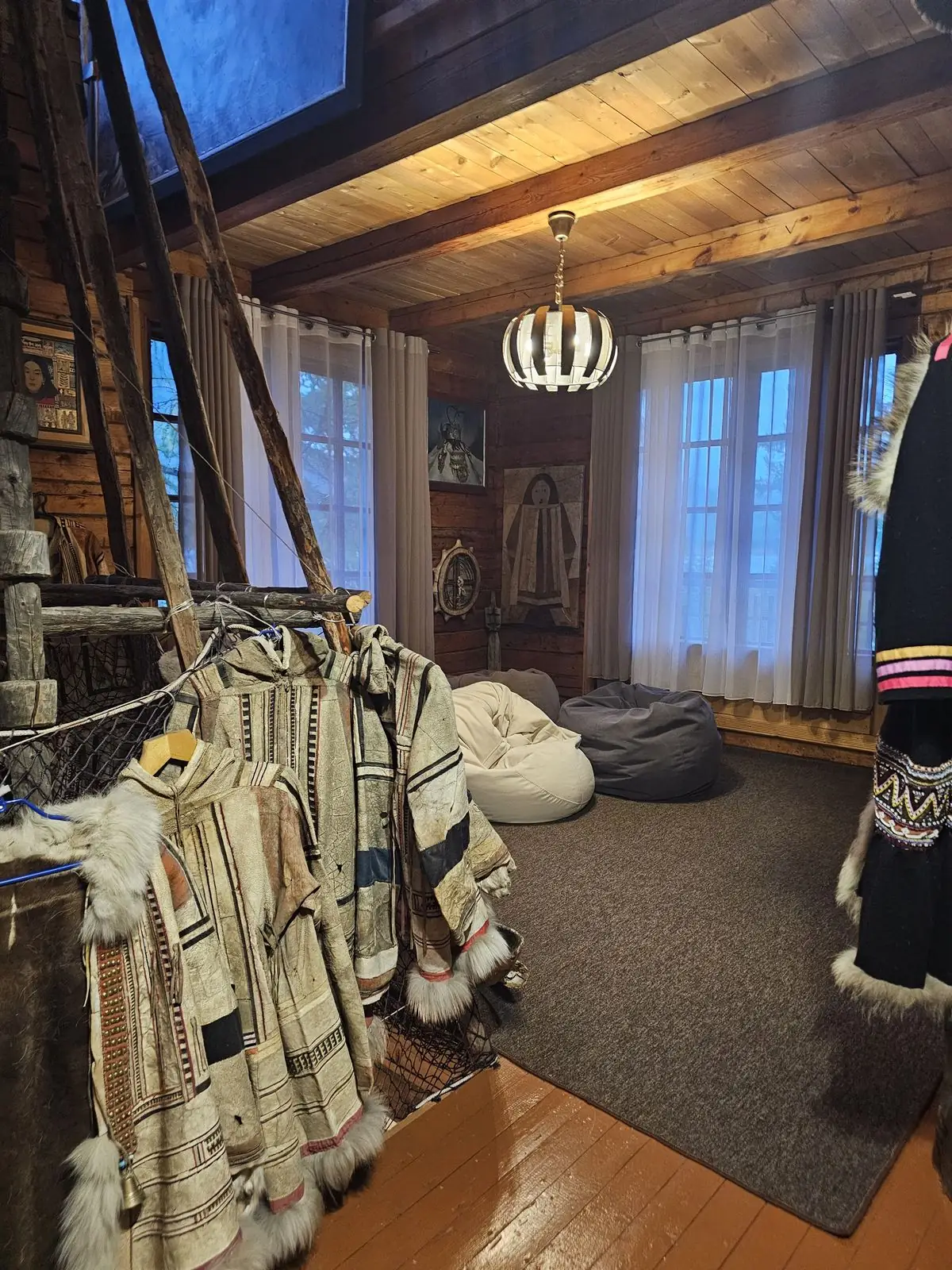
I learned most about the Nganasan, thanks to our base. “Bunisyak” is not just a place where you can wash and sleep. It’s also a house-museum with a collection of Nganasan belongings: clothing, jewellery, household items and paintings on the theme too.
The founder of the base, Oleg Krashevsky, studied these lands for a long time and talked to local people and shamans. He was considered a white shaman, and indigenous peoples gave him their things. He died in 2024, and the tour of the house-museum was given to us by his daughter.
We were told how the Nganasan lived on these lands and what they face now: alcohol, young people leaving and the fact that only about six hundred Nganasan are left. Their way of life is very harsh, and when there’s a chance to move to a big city with comfortable conditions, such a life isn’t for everyone. After this tour a lot fell into place for me.
Idols on the plateau
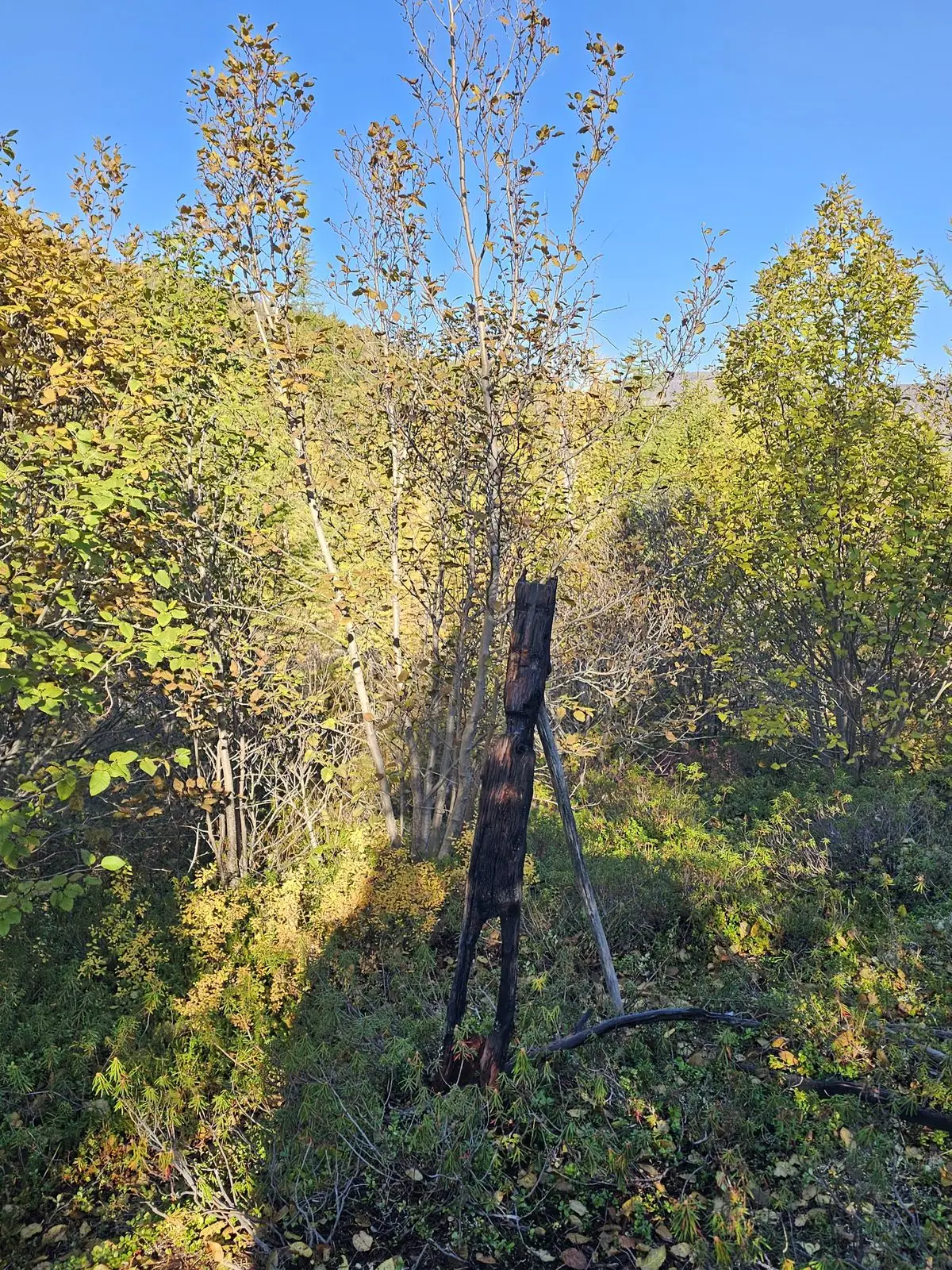
Wooden idols turn up here and there on the Putorana Plateau. We met one, carved from a log, on the way to the plateau. According to the organisers, it’s about two hundred years old: it stands on a spot where shamans performed rituals, and people ask it for good weather. By tradition the idol is fed butter: the guys walking behind us did that. Taimyr and the area around Putorana were once places where shamanism flourished, and the idols are its traces.
The house of crafts in Dudinka
In Dudinka we dropped into the house of crafts. Artists there work with mammoth tusks, fabrics and beads. A pleasant woman met us and told us what their works are about: almost all the subjects and ornaments are connected in one way or another with Taimyr and the peoples who live here. The artists take part in competitions, both in Russia and abroad.
Looking at the works themselves was very interesting for me.
The local-history museum
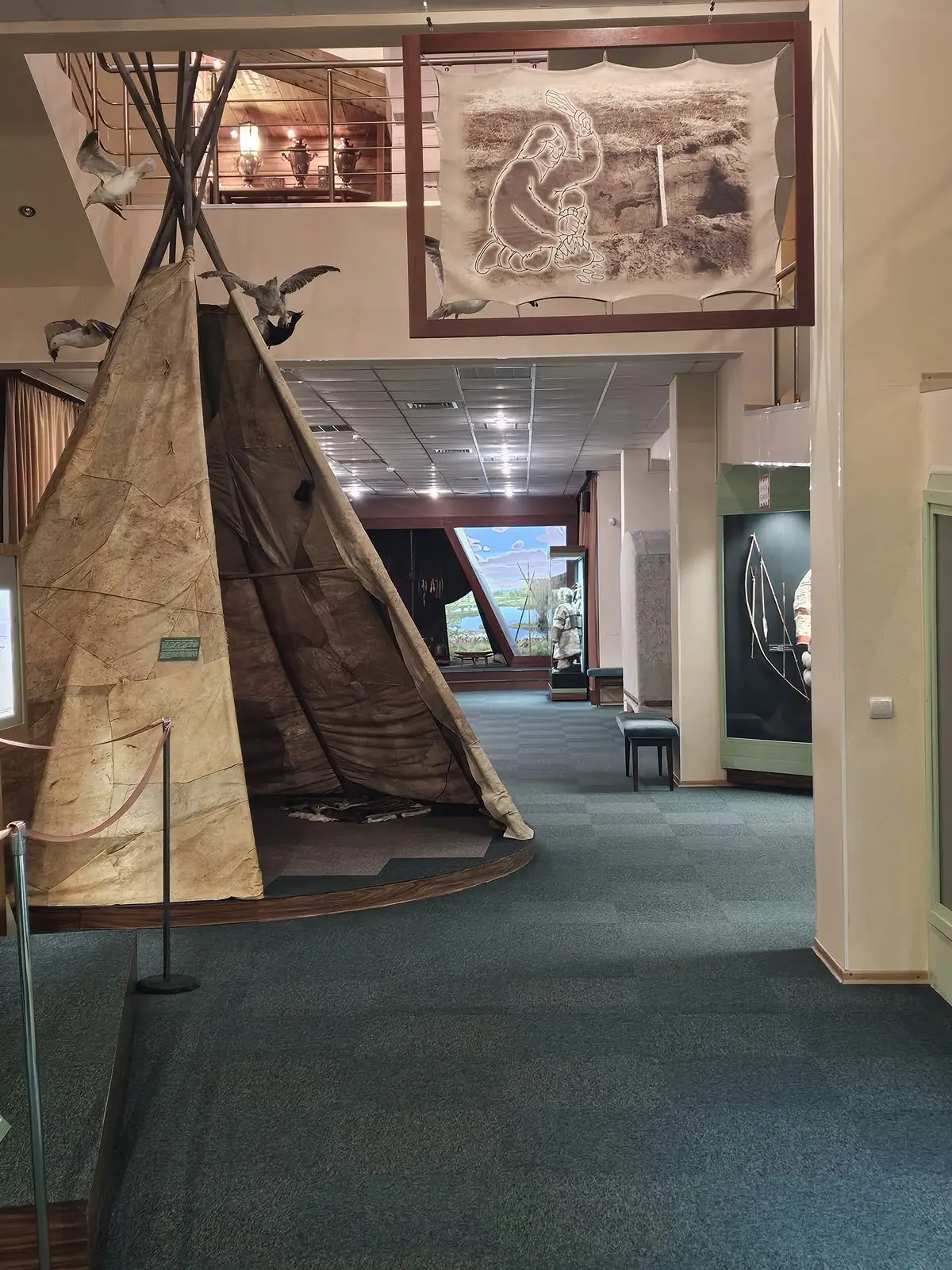
At the Dudinka local-history museum we took a tour of an hour and a half. The first part, about the peoples of Taimyr, their way of life and decoration, was very interesting to me, though we already knew a lot about the Nganasan from the base. After that the tour moved into the history of the exploration of the North in the smallest detail, and there I got tired.
What I understood
Taimyr used to mean to me industrial Norilsk and harsh nature. And it turned out to be also a land of people with a culture of their own, and you can see it in museums, in the house of crafts and even at a base in the middle of the plateau.
Comments
I don’t ask for your email. I read every comment myself before it’s published.